
Cape Peninsula Day Tour: Cape Point, Penguins & Peak Drive
Discover Scenic Coastal Drives, Encounter Boulders Beach Penguins, and Experience Private Chauffeur Excursions Across Cape Town
Embarking on a journey through the stunning landscapes of South Africa offers travelers an unforgettable adventure filled with breathtaking ocean vistas, charming coastal towns, and remarkable wildlife encounters. This comprehensive excursion showcases the absolute best of the region, ensuring every visitor creates lasting memories while exploring majestic natural wonders.
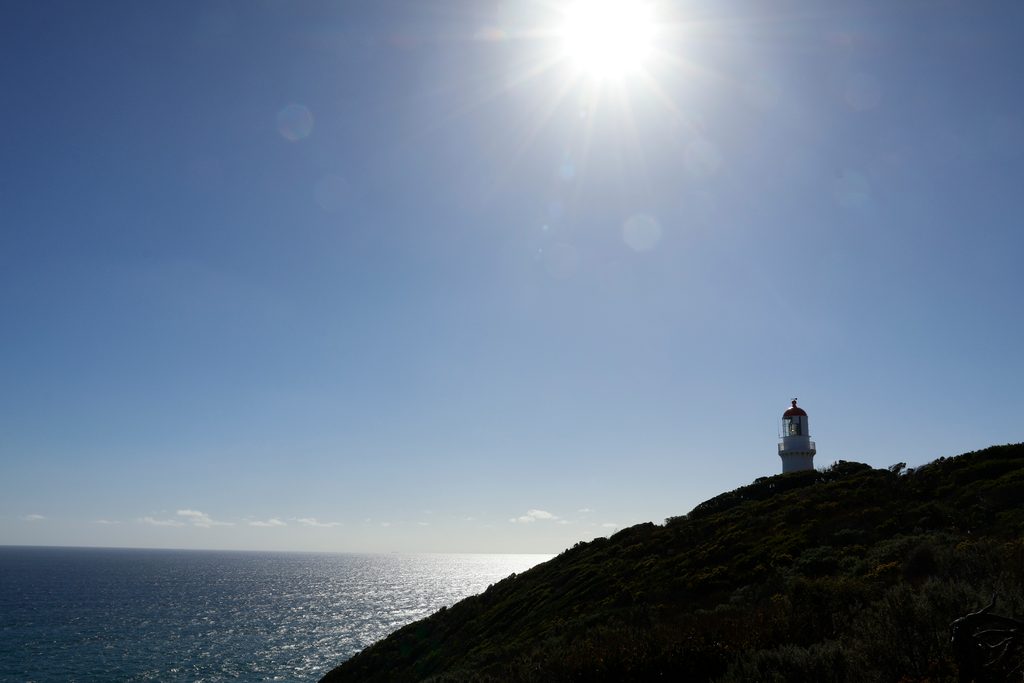
Overview of the Cape Peninsula Tour
What to Expect on a Full Day Cape Peninsula Tour
When you embark on a full-day excursion departing from Cape Town central, you can anticipate an immersive exploration of the breathtaking Cape Peninsula. This comprehensive day tour typically begins with a convenient hotel pickup for a guided tour that winds its way through stunning coastal roads and vibrant neighborhoods. As you venture further south into the expansive Table Mountain National Park, expert guides will share fascinating insights about the local flora, fauna, and rich maritime history, ensuring a deeply enriching experience for every traveler.
Highlights of the Itinerary
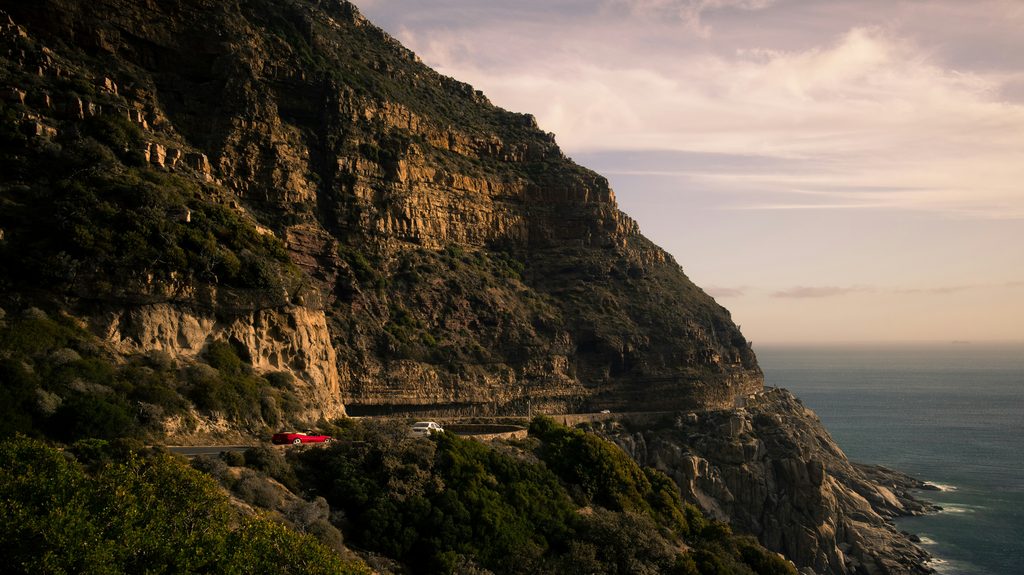
The carefully curated itinerary is packed with iconic destinations, starting with a scenic drive along Chapman’s Peak Drive, widely recognized as one of Cape Town’s most breathtaking engineering marvels. Travelers will marvel at the dramatic cliffs and azure waters of Hout Bay before exploring the rugged terrain of the Cape Point Nature Reserve. Afterward, a visit to Simon’s Town leads to the famous Boulders Beach penguin colony, where visitors can observe the charming African penguins waddling among the massive granite boulders in their natural coastal habitat.
Choosing Between Half-Day and Full-Day Tours
Deciding between a shorter excursion and a full-day adventure depends largely on how many things to do in Cape Town you wish to check off your bucket list. While a half-day option might offer a quick glance at the coastline, choosing a more extended day trip allows for a much more relaxed pace and deeper exploration of the Cape of Good Hope and Cape Point Lighthouse. Visitors who want to fully appreciate the majestic national park and spend quality time with the penguins at Boulders Beach will find that a comprehensive package provides the ultimate value and satisfaction.
Exploring Cape Town
Starting Your Day in Cape Town Central
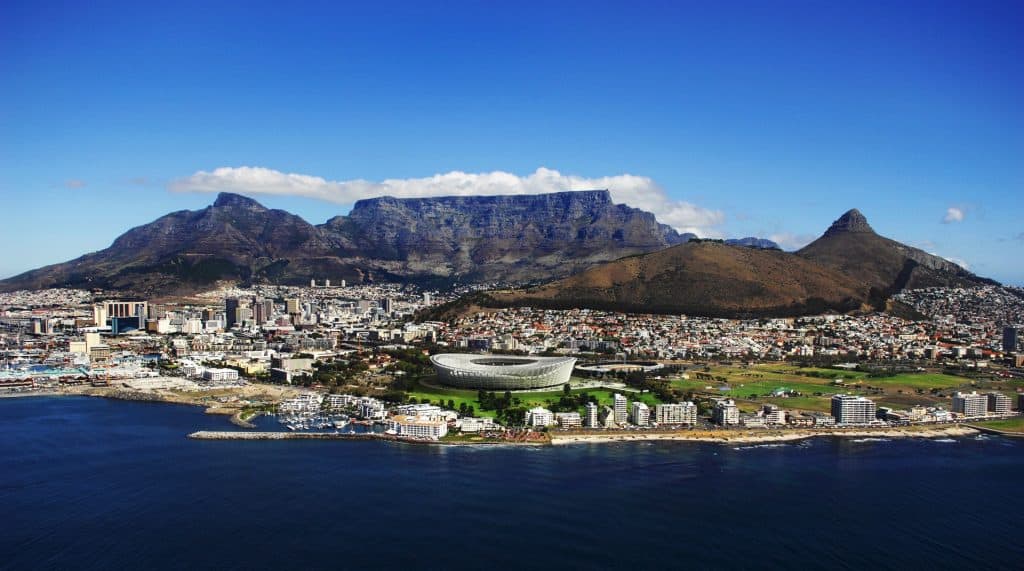
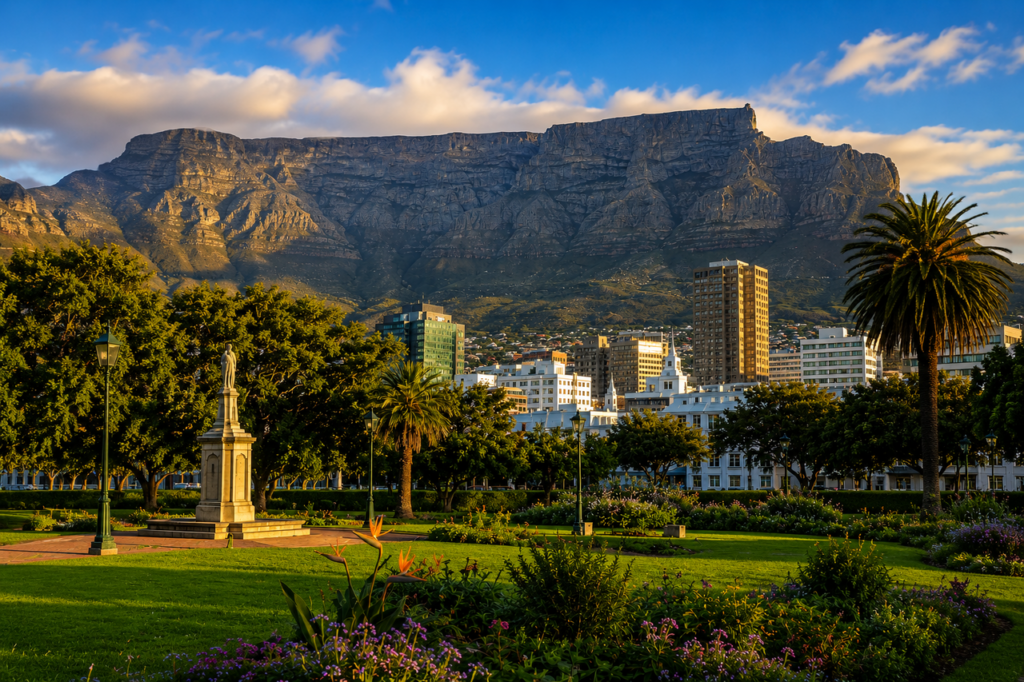
Starting your adventure in Cape Town Central sets the stage for an extraordinary day tour. As the morning sun illuminates the vibrant streets, your guided tour begins with a seamless pickup, whisking you away from the urban bustle toward the dramatic landscapes of the Cape Peninsula. This initial leg of your day trip introduces you to the rich cultural tapestry and historical significance of visiting Cape Town, seamlessly connecting city energy with the tranquil beauty of the surrounding Table Mountain National Park.
Transportation Options for Your Day Trip
Navigating the various transportation options for your peninsula tour ensures a comfortable and stress-free journey. Travelers can choose from several convenient choices, each offering distinct advantages:
- Private vehicles
- Shared shuttles
- A structured tour from Cape Town
Opting for a professional excursion guarantees that you will effortlessly traverse winding coastal routes, including the legendary Chapman’s Peak Drive, without having to worry about navigation, parking, or missing out on any of the essential things to do in the Cape region.
Tips for a Smooth Guided Tour
Ensuring a smooth and enjoyable guided tour requires a little advance preparation. It is wise to dress in layers, as the coastal weather near Cape Point can shift rapidly from warm sunshine to brisk ocean breezes. To help you capture every unforgettable moment along your itinerary, be sure to bring:
- Sunscreen
- Comfortable walking shoes
- A reliable camera
Trusting your knowledgeable guide enhances the experience, as they provide invaluable context and ensure your full day unfolds seamlessly from start to finish.

Cape Point and the Cape of Good Hope
Discovering the Natural Beauty of Cape Point
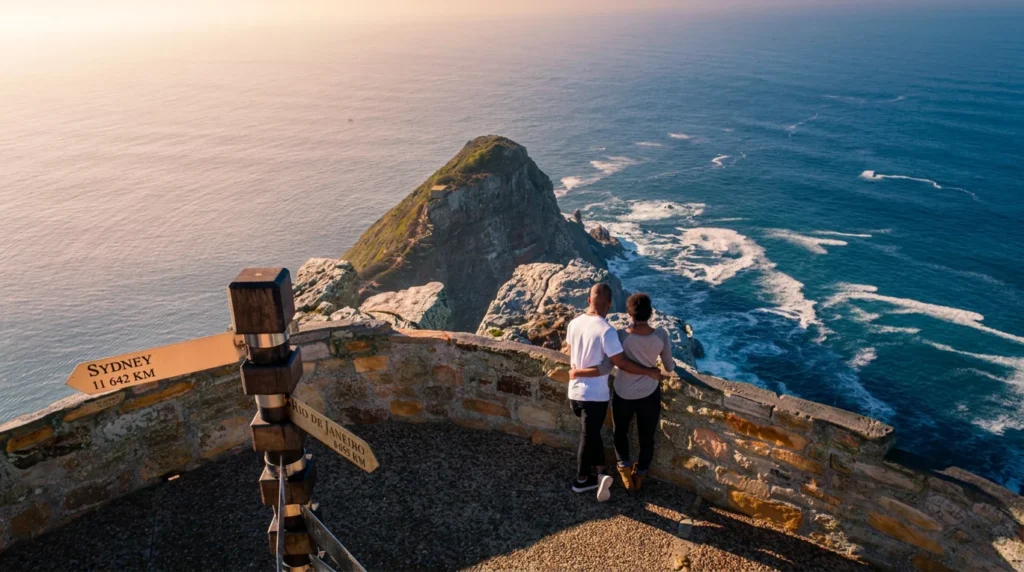
Venture deeper into the protected realms of the Cape Point Nature Reserve to witness raw, untamed coastal beauty. As part of your comprehensive Cape Peninsula tour, exploring this dramatic headland reveals sweeping ocean vistas and rugged cliffs dropping steeply into the crashing waves below. Visitors are often captivated by the sheer magnitude of the landscape, where the formidable Cape Point Lighthouse stands as a historic beacon overlooking the tumultuous meeting place of powerful ocean currents.
Wildlife and Scenic Views at the Cape of Good Hope
Continuing onward brings you to the legendary Cape of Good Hope, a historic landmark renowned for its breathtaking scenery and diverse fauna. Within this sprawling national park, observant travelers might spot various antelope species, zebras, and an abundance of resident birdlife thriving in their natural habitat. The panoramic views stretching across the endless horizon offer incredible photographic opportunities, cementing this leg of your day tour as an absolute highlight of your South African holiday.
Activities and Attractions in the Area
Beyond the stunning vistas, the area offers a myriad of engaging activities for every traveler. After exploring the rugged terrain, your itinerary frequently leads toward Simon’s Town and the famous Boulders Beach penguin colony. Here, watching the delightful African penguins waddling among massive granite boulders provides an endlessly charming experience. Whether you are photographing the Boulders Beach penguins or simply soaking in the coastal atmosphere, this region delivers memories that will last a lifetime.
Penguin Encounters
Visiting the Penguins at Boulders Beach
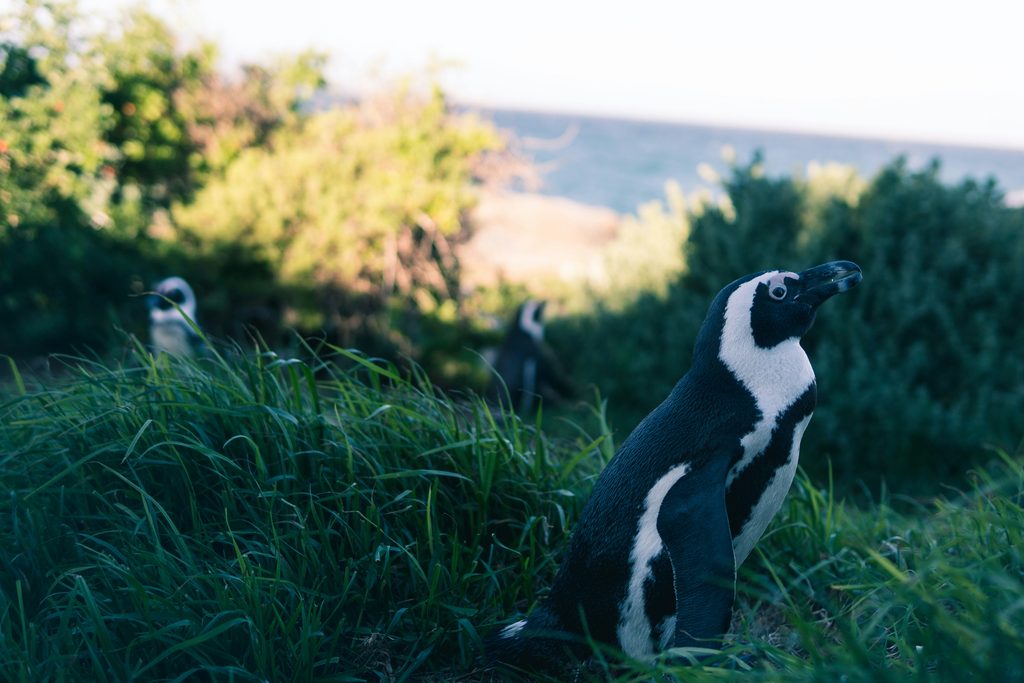
Visiting the charming African penguins at the famous Boulders Beach is undoubtedly a highlight of any comprehensive Cape Peninsula day tour. As you wander along the wooden boardwalks managed by the Table Mountain National Park, you can observe these delightful creatures interacting closely among massive granite boulders. This unique stop during your day trip from Cape Town central allows travelers to witness the endearing behavior of the African penguin colony at Boulders Beach in a pristine coastal environment.
The Importance of Penguin Conservation
Protecting the natural habitat of these wonderful seabirds is a crucial mission for the national park authorities overseeing the region. During your guided tour, knowledgeable experts explain the ongoing conservation efforts dedicated to safeguarding the penguin colony at Boulders Beach against human disruption and environmental threats. Travelers visiting Cape Town gain a deeper appreciation for marine wildlife preservation, understanding how vital these protected coastal zones are for ensuring the long-term survival of the local African penguins.
Best Times to See Penguins
Planning your visit strategically ensures you experience the absolute best wildlife viewing opportunities during your peninsula tour. Early morning hours usually offer quieter paths and active animal behavior as the birds forage or socialize along the shore. Incorporating this enchanting stop into your detailed travel itinerary guarantees an unforgettable encounter with the Boulders Beach penguins, making your full-day exploration of the Cape Peninsula truly magical and remarkably rewarding for nature enthusiasts.
Scenic Peak Drive
Driving Along the Stunning Coastline
Embarking on a journey along the legendary Chapman’s Peak Drive provides travelers with some of the most breathtaking coastal vistas imaginable. As your vehicle navigates the winding cliffside route included in your day tour, you will marvel at the sheer engineering brilliance of the road carved directly into the mountainside. Overlooking the sparkling waters of Hout Bay, this iconic stretch of asphalt is widely celebrated as one of Cape Town’s most iconic scenic drives, delivering endless visual splendor.
Points of Interest Along Peak Drive
Stretching between idyllic coastal hamlets, this remarkable thoroughfare offers numerous designated viewpoints where your tour from Cape Town can pause for photos. Looking down from the elevated vantage points along Chapman’s Peak, you can spot migrating whales, playful dolphins, and crashing waves far below. These strategic stops enhance your overall Cape Point and Cape Peninsula adventure, allowing you to absorb the dramatic topography that defines the southwestern tip of the African continent.
Capturing the Perfect Photos on Your Tour
Securing breathtaking photographs of your unforgettable day trip requires being ready to capture the changing light on the rugged cliffs and azure ocean. Your expert guide will navigate the curves of Peak Drive safely while ensuring you have ample opportunity to frame the perfect shot of the coastline. Whether you are photographing the panoramic expanses near Cape Point or the sweeping bends of the roadway, these cherished images will forever remind you of the extraordinary natural wonders experienced throughout your holiday.
Final Thoughts on Your Cape Peninsula Day Trip
A Cape Peninsula day trip is one of the most rewarding experiences for anyone visiting Cape Town. From the dramatic coastal cliffs of Chapman’s Peak Drive to the famous Cape of Good Hope and the charming penguin colony at Boulders Beach, this spectacular journey showcases the natural beauty, wildlife, and cultural heritage of South Africa’s Western Cape.
Whether you choose a private excursion, a small group tour, or a comprehensive guided day tour, exploring the Cape Peninsula offers an unforgettable combination of scenic drives, wildlife encounters, historic landmarks, and breathtaking ocean views. The journey takes you beyond the busy streets of Cape Town city and into some of the country’s most spectacular coastal landscapes.
For travelers creating their ideal Cape Town itinerary, a full-day Cape Peninsula adventure deserves a place near the top of the list.
Recap of the Perfect Cape Peninsula Experience
The perfect Cape Peninsula experience begins with a scenic departure from Cape Town, traveling along the Atlantic coastline toward some of the region’s most famous attractions. Whether you started the day at your hotel or joined a group at a designated meeting point, the journey offers spectacular scenery almost immediately.
Travelers typically pass through beautiful coastal neighborhoods such as Clifton and Camps Bay, where white sandy beaches, luxury homes, and mountain backdrops create picture-perfect views. These are among the most recognizable beaches in Cape Town, making them excellent stops for photographs.
Continuing toward Hout Bay, visitors can admire the fishing harbor, enjoy the coastal atmosphere, or take an optional boat excursion to observe Cape fur seals around Duiker Island when conditions permit.
One of the most memorable sections of the journey is Chapmans Peak Drive, a spectacular coastal road carved into the mountainside. With dramatic cliffs rising above the Atlantic Ocean, this scenic route offers some of the finest views around the Cape.
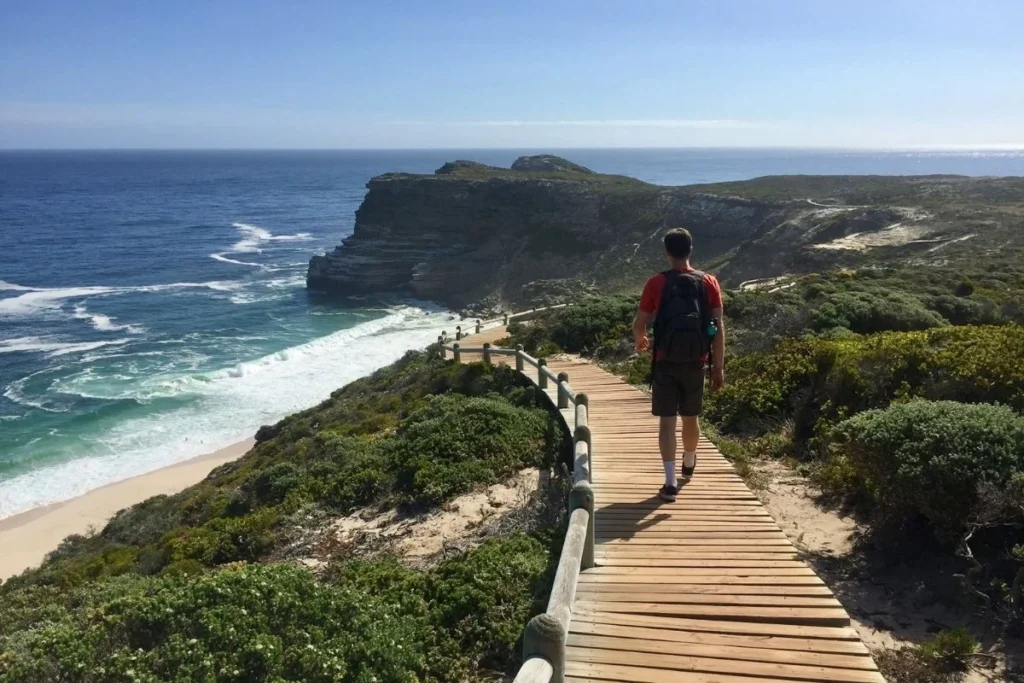
As the journey continues toward Cape Point, travelers enter the southern section of Table Mountain National Park, where rugged mountains, indigenous vegetation, and dramatic coastal landscapes reveal the extraordinary beauty of the Cape Peninsula.
Exploring Cape Point and the Cape of Good Hope
Located approximately 60 km south of Cape Town in a straight line, Cape Point is one of the most recognizable natural attractions in the Western Cape. The driving distance is considerably longer because the route follows the peninsula’s winding roads.
Visitors entering the Cape of Good Hope Nature Reserve section of Table Mountain National Park can experience remarkable biodiversity, spectacular ocean views, and fascinating wildlife.
The protected area is home to various species, including ostriches, antelope, baboons, and the Cape mountain zebra, although sightings depend on animal movements and conditions.
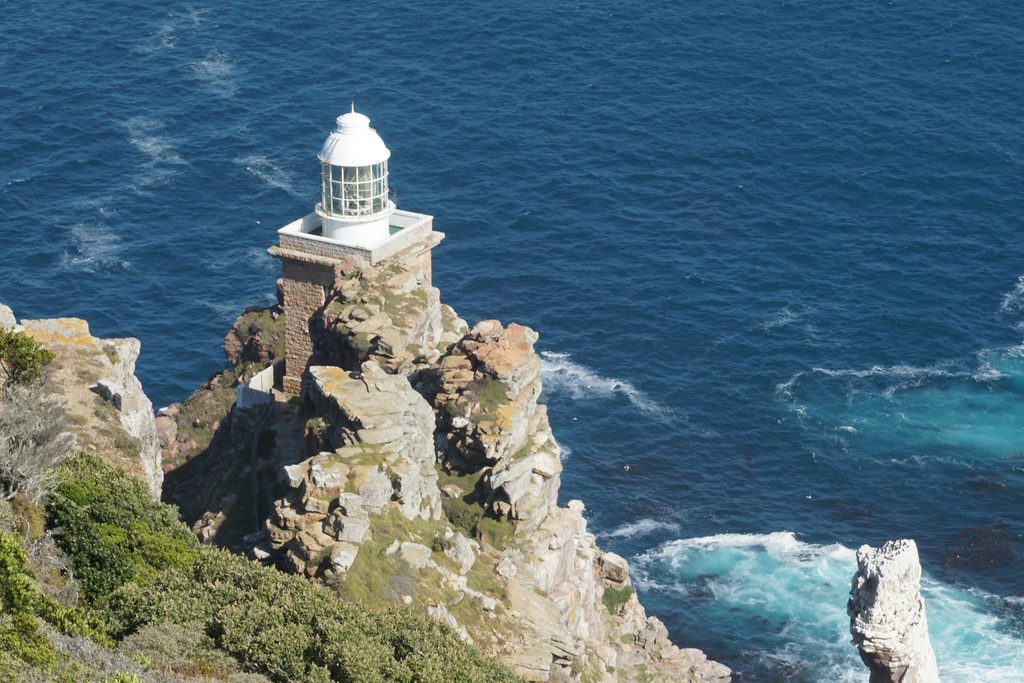
A visit to the Cape Point Light House area is another memorable part of the experience. The historic lighthouse sits high above the coastline, and visitors can reach the viewpoint by walking uphill or using the Flying Dutchman Funicular.
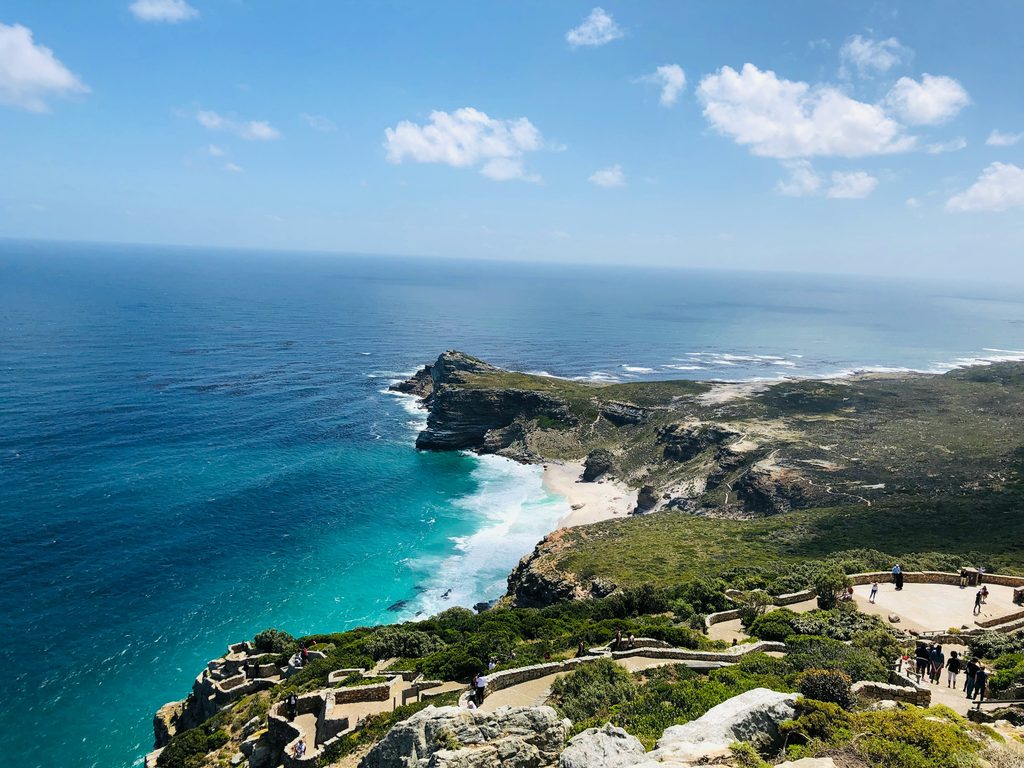
From the elevated viewpoints, the scenery of the Cape is particularly impressive, with rugged cliffs, crashing waves, and expansive ocean panoramas stretching toward the horizon.
No Cape Peninsula tour would be complete without visiting the famous Cape of Good Hope, one of South Africa’s most photographed landmarks.
The breathtaking Cape of Good Hope is celebrated for its maritime history, dramatic coastline, and outstanding natural scenery. Although it is not the southernmost point of Africa, it remains an iconic destination for travelers exploring the Western Cape.
For many visitors, standing at the Cape of Good Hope sign is the highlight of the day, providing an opportunity to capture a memorable photograph at this historic landmark.
Discovering the African Penguins at Boulders Beach
Another unforgettable attraction is Boulders Beach in Simon’s Town, home to a protected colony of African penguins.
The opportunity to observe African penguins at Boulders Beach is particularly special because these endangered seabirds can be seen in their natural coastal habitat.
Travelers who visit Boulders Beach can follow designated wooden boardwalks to viewing platforms overlooking the penguin colony. These platforms allow visitors to observe African penguins up close while respecting the protected environment and maintaining a safe distance.
For families and wildlife enthusiasts, combining penguins and Cape Point creates one of the most enjoyable sightseeing experiences available near Cape Town.
A tour covering Cape Point and Boulders Beach offers an excellent balance between dramatic natural scenery and memorable wildlife encounters.
Visitors planning to visit Boulders should allow sufficient time to enjoy the viewing platforms, take photographs, and appreciate the coastal surroundings.
Many travelers describe the combination of Boulders Beach and Cape Point as one of the defining highlights of their South African vacation.
The nearby Simon’s Town waterfront and the colorful beach huts at St James or Muizenberg can also provide excellent photography opportunities, depending on the chosen route.
Recommendations for Future Visitors
Planning ahead is essential for making the most of a Cape Peninsula excursion. With so many attractions located along the Cape Peninsula, allocating sufficient time allows travelers to enjoy the scenery without feeling rushed.
Although a half-day tour may be suitable for visitors with limited time, a full-day private driver excursion is generally the better choice for exploring the main attractions comfortably.
A half day usually requires selecting only a few highlights, while a full-day itinerary provides more opportunities to stop at viewpoints, enjoy lunch, and explore the region’s natural attractions.
Must-Visit Attractions on Your Cape Peninsula Tour
To experience the best of the Cape Peninsula, consider including these destinations:
Chapman’s Peak Drive: Enjoy spectacular coastal scenery and panoramic viewpoints along one of South Africa’s most famous scenic roads.
Hout Bay: Explore the harbor and consider an optional seal-viewing boat trip.
Cape Point: Walk toward the lighthouse viewpoints and enjoy dramatic ocean panoramas.
Cape of Good Hope: Photograph the iconic landmark and discover the surrounding coastal landscape.
Boulders Beach: Observe the endangered African penguin colony in Simon’s Town.
St James or Muizenberg: Photograph the colorful beach huts and enjoy the seaside atmosphere.
Camps Bay: Admire one of Cape Town’s most famous beaches against the backdrop of the Twelve Apostles mountain range.
A well-planned itinerary including Cape Point, Boulders Beach, and Chapman’s Peak Drive offers an excellent introduction to the region.
Travelers looking for the best Cape Point experience should allow time for both the lighthouse viewpoint and the Cape of Good Hope landmark rather than rushing between them.

Tips for Enjoying Your Cape Peninsula Adventure
Start early: Departing Cape Town in the morning provides more time to explore attractions and helps avoid some of the busiest sightseeing periods.
Choose the right tour duration: A full-day experience is recommended for travelers wanting to enjoy Cape Point and Boulders Beach without unnecessary rushing.
Dress for changing weather: Coastal winds, sunshine, and cooler mountain temperatures can occur on the same day. Bring a light jacket, comfortable shoes, and sunscreen.
Carry your camera: The beauty of the Cape is best appreciated through its dramatic landscapes, wildlife encounters, and picturesque coastal villages.
Respect wildlife: Never feed or touch penguins, baboons, or other animals encountered during your excursion.
Confirm entrance fees: Check whether your tour includes admission to the Cape Point section of the national park and the Boulders Beach penguin viewing area.
Allow flexibility: The pace of the tour may change depending on traffic, weather conditions, road closures, and how long your group spends at each attraction.
If your tour was changed because of unfavorable weather or temporary road closures, an experienced guide can recommend alternative scenic routes and attractions.
Connecting With Local Guides and Tours
Booking a knowledgeable local guide can significantly enhance your Cape Peninsula adventure. Experienced guides understand the region’s history, wildlife, cultural attractions, and scenic routes, allowing visitors to discover much more than they would through independent sightseeing.
A professional Cape Town guide can share fascinating information about the maritime history of the Cape of Good Hope, the conservation of African penguins, and the remarkable biodiversity found throughout Table Mountain National Park.
Many local guides have a genuine passion for Cape Town and enjoy introducing international visitors to lesser-known viewpoints, charming seaside villages, and fascinating stories about the Western Cape.
Benefits of Booking a Guided Cape Peninsula Tour
Choosing a professional guided day tour offers several advantages:
Local knowledge: Discover the history and significance of attractions throughout the peninsula.
Convenient transportation: Avoid navigating unfamiliar roads and searching for parking.
Flexible sightseeing: Enjoy carefully selected stops based on the group’s interests.
Wildlife insights: Learn about penguins, seals, birds, and other native species.
Scenic photography: Visit viewpoints offering spectacular coastal panoramas.
Efficient planning: Experience several major attractions in one well-organized excursion.
A typical guided itinerary may combine the penguins and Cape Point attractions with the Cape of Good Hope and Chapman’s Peak Drive.
Some operators advertise routes featuring the Cape of Good Hope and Boulders Beach, while others include additional sightseeing stops in Hout Bay, Camps Bay, and Simon’s Town.
When comparing options, look for an itinerary that clearly explains whether it includes the Cape of Good Hope Reserve, the lighthouse viewpoint, and the penguin colony.
Travelers should also confirm whether the excursion visits both Cape Point and the Cape of Good Hope, as these are separate attractions within the same protected area.
Choosing Between Private and Small Group Tours
A private group tour can be an affordable and enjoyable option for travelers who appreciate meeting other visitors while exploring the region.
However, private excursions generally offer greater control over the schedule and the pace of the tour.
For example, visitors particularly interested in wildlife photography may prefer spending additional time at Boulders Beach, while nature lovers may want to explore Cape Point more extensively.
A private tour also allows travelers to adjust their itinerary based on weather conditions and personal interests.
Whether you prefer a group excursion or private transportation, selecting a reputable operator with experienced local guides is essential.
Full Day Cape Peninsula Private Shuttle Tours
Booking a full-day Cape Peninsula private shuttle tour is one of the most convenient ways to explore this spectacular region. Private transportation provides a comfortable, flexible, and personalized sightseeing experience without the challenges of driving unfamiliar coastal roads.
Unlike fixed group departures, a private shuttle allows travelers to customize their journey according to their preferred attractions, sightseeing interests, and available time.
Whether you want to spend longer photographing the beach and Cape scenery, observe penguins, or enjoy a leisurely lunch overlooking the ocean, a private excursion can be adapted to your requirements.
Enjoy a Personalized Cape Peninsula Itinerary
A full-day private shuttle excursion can include:
Hotel pickup in Cape Town: Begin your adventure with convenient collection from your accommodation.
Atlantic Seaboard sightseeing: Travel past Clifton and Camps Bay while admiring the beaches and mountains.
Hout Bay: Enjoy the harbor and consider an optional boat trip to view seals.
Chapman’s Peak Drive: Stop at scenic viewpoints for unforgettable coastal photographs.
Cape of Good Hope: Discover the famous landmark and surrounding nature reserve.
Cape Point: Explore the lighthouse area and admire dramatic ocean views.
Boulders Beach: Visit the penguin colony and enjoy the coastal surroundings.
Simon’s Town: Stop for lunch or explore the historic naval town.
Return to Cape Town: Travel along the False Bay coastline or another suitable scenic route.
This itinerary combines beach and Cape Point attractions with wildlife encounters, scenic mountain roads, and fascinating historical landmarks.
For visitors wanting to experience both Cape Point and Boulders Beach, a private excursion provides the freedom to spend more time at their favorite destinations.
Why Choose a Private Shuttle for Your Cape Peninsula Tour?
Comfortable door-to-door transportation
Private shuttle services generally offer convenient hotel collection and drop-off, eliminating the need to arrange multiple transfers or travel to a fixed departure location.
Flexible sightseeing stops
Whether you want additional time at the Cape of Good Hope or prefer to visit Boulders Beach before lunch, your itinerary can be adjusted to suit your preferences, subject to opening hours and travel conditions.
Experienced professional drivers
Local drivers familiar with the winding coastal roads can navigate the route safely while passengers relax and appreciate the spectacular surroundings.
Ideal for families and groups
Private shuttles are suitable for couples, families, friends, and larger groups wanting exclusive transportation.
More time to appreciate the scenery
Rather than concentrating on navigation, passengers can admire the coastline, mountains, and wildlife that make this part of South Africa so special.
Experience the Best of Cape Point and the Cape of Good Hope
The combination of Cape Point and Cape of Good Hope attractions is a central feature of most full-day peninsula itineraries.
Travelers can enjoy the historic lighthouse, explore scenic viewpoints, and discover the natural environment surrounding the protected reserve.
For anyone wanting to visit the Cape of Good Hope while also experiencing the penguin colony, a full-day private tour offers an excellent solution.
It provides sufficient time to enjoy both destinations while including memorable stops along the Atlantic and False Bay coastlines.
Why the Cape Peninsula Is a Must-Visit Destination
The Cape Peninsula is much more than a collection of tourist attractions. It is a spectacular region where mountains meet the ocean, endangered wildlife inhabits protected beaches, and historic coastal towns preserve fascinating stories from South Africa’s past.
From the colorful seaside neighborhoods to the dramatic cliffs of Cape Point, the beauty of the Cape Peninsula makes every section of the journey memorable.
A well-organized excursion allows travelers to experience the best of the Cape Peninsula while enjoying comfortable transportation and local insights.
Whether you’re planning your first South African holiday or returning to discover more of the Western Cape, a day exploring the peninsula is an experience worth prioritizing.
For travelers searching for memorable things to do in Cape Town, a private tour featuring the penguins and Cape Point, Chapman’s Peak Drive, and the Cape of Good Hope delivers an exceptional combination of nature, adventure, and sightseeing.
After experiencing the landscapes and wildlife firsthand, it’s easy to understand why visitors so often say, “I highly recommend this tour.”
Add this spectacular journey to your South Africa travel plans and discover why the Cape Peninsula remains one of South Africa’s most extraordinary coastal destinations.