

Ultimate Canada Travel Guide: Tips and Planning for Your Trip
Ultimate Canada Travel Guide: Tips and Planning for Your Trip
Welcome to the ultimate travel guide designed to help every eager traveller plan an unforgettable journey into the heart of the great white north. Whether you are dreaming of vibrant multicultural cities or majestic wilderness areas, this comprehensive resource provides essential insights to ensure your upcoming adventure across the provinces exceeds all expectations.
Introduction Canada Travel

Embarking on a journey to this vast and diverse country offers endless opportunities for outdoor enthusiasts and urban explorers alike. From the rugged shores of the Atlantic provinces to the breathtaking peaks of the western mountain ranges, every vacation here promises a unique blend of cosmopolitan sophistication and untouched natural beauty that captivates millions of international visitors annually.
Why Visit Canada?
There are countless reasons to make this remarkable nation your next major travel destination, starting with its world-famous national parks and stunning landscapes. You can easily witness polar bears in the wild, marvel at the sheer power of Niagara Falls, or relax by the turquoise waters of Lake Louise and Moraine Lake while soaking in the pristine alpine atmosphere.
Overview of the Canada Travel Guide
This detailed travel guide to Canada serves as your ultimate resource for discovering the best places to visit in the country during any season. Inside, you will find:
- Curated trip ideas and expert travel tips for first-time visitors
- Comprehensive recommendations covering iconic locations such as Toronto, Vancouver, Montreal, and the legendary Canadian Rockies
Planning Your First Trip to Canada
Organizing your first trip to Canada requires careful thought regarding the best time to visit and how to structure your daily itinerary efficiently. By utilizing proven travel tips and understanding the vast geography, you can seamlessly transition from exploring bustling metropolitan streets to embarking on unforgettable road trips through Banff National Park and Jasper.
Travel Tips for First-Time Visitors to Canada
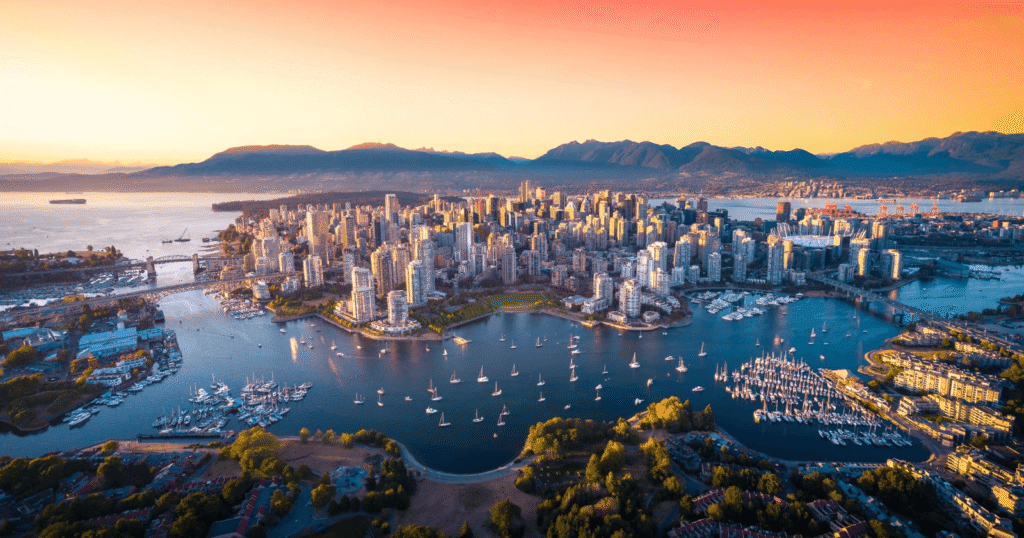
Canada is one of the world’s most exciting travel destinations, offering breathtaking natural landscapes, vibrant multicultural cities, fascinating historical attractions, and unforgettable outdoor adventures. From the towering Rocky Mountains of Alberta to the picturesque coastal scenery of British Columbia and the historic streets of Quebec City, there are countless places in Canada worth exploring.
For travelers travelling to Canada for the first time, proper preparation is essential. As the world’s second-largest country by total area, Canada covers enormous distances, and the weather, culture, and travel experiences can vary considerably between provinces and territories.
Whether you’re searching for travel inspiration, planning an exciting city break, or organizing a scenic road trip through Canada’s national parks, understanding the country’s transportation systems, seasonal weather, cultural traditions, and travel requirements will help you enjoy a smoother holiday.
This ultimate guide to visiting Canada provides practical recommendations for first-time travelers who want to discover the best of the Great White North.
Essential Travel Tips for Visiting Canada
Planning your first Canadian adventure involves more than simply booking flights and accommodation. Understanding important travel requirements, local customs, transportation options, and regional differences will help you make the most of your vacation.
Canada is famous for its welcoming atmosphere, spectacular scenery, and diverse communities. However, because the country is so large, careful planning is essential to avoid spending too much of your holiday traveling between distant destinations.
Check Your Passport and Entry Requirements
Before booking your holiday, confirm the entry requirements that apply to your nationality.
Depending on your citizenship and method of arrival, you may need a visitor visa or an Electronic Travel Authorization (eTA). Some travelers are visa-exempt, while others must obtain approval before departure.
Always consult the official Government of Canada immigration website for current entry requirements.
Other important preparations include:
Checking that your passport meets the applicable validity requirements.
Arranging suitable travel insurance.
Reviewing any applicable customs and border regulations.
Keeping digital copies of important travel documents.
Confirming accommodation reservations and transportation arrangements.
Checking airline baggage allowances and connecting flight requirements.
Travelers should also review any restrictions concerning food, agricultural products, and other items brought into the country.
Understand Canada’s Currency and Payment Methods
Canada uses the Canadian dollar (CAD), and credit and debit cards are widely accepted in hotels, restaurants, shops, and major tourist attractions.
However, carrying a small amount of cash can be useful when visiting rural communities, markets, and smaller businesses.
Before departure, check your bank’s international transaction fees and confirm that your payment cards will work overseas.
Tipping is customary in many service industries. In restaurants with table service, a gratuity of approximately 15–20% of the pre-tax bill is common, depending on the quality of service.
Remember that sales taxes vary by province, and advertised prices may not include the applicable tax.
Learn About Canadian Culture and Local Customs
One of the most interesting aspects of visiting Canada is discovering its cultural diversity.
Canadians are often associated with politeness, respect for personal space, and a welcoming attitude toward international visitors.
The country has two official languages, English and French, although the language commonly spoken varies by region.
English is widely used throughout much of Canada, while French is particularly prominent in Quebec and parts of New Brunswick and Ontario.
Learning a few basic French expressions can be especially helpful when exploring Quebec City or Montreal.
Understanding local customs can make your experience more enjoyable:
Respect queues and personal space in public areas.
Follow local recycling and environmental guidelines.
Be considerate when visiting Indigenous cultural sites.
Observe posted rules in national parks and protected areas.
Dress appropriately for changing weather conditions.
Familiarize yourself with local tipping practices.
Taking time to know Canada beyond its famous landmarks will help you appreciate the country’s cultural traditions, regional identities, and diverse communities.
Plan Your Travel Distances Carefully
One of the biggest mistakes first-time visitors make is underestimating Canada’s size.
Traveling across Canada can involve long flights, extensive road journeys, and significant transportation costs.
For example, Toronto and Vancouver are separated by thousands of kilometers, making a short road trip between them impractical for most travelers.
When you plan your trip, focus on one or two regions rather than trying to visit every major destination during a short holiday.
A well-organized itinerary should consider:
Distance between attractions
Available transportation options
Driving conditions
Seasonal weather
Accommodation availability
Sightseeing opportunities
Estimated travel time
For a more personalized experience, consider a tailor-made itinerary based on your interests, budget, and available vacation days.
Travelers who prefer professional assistance can also seek expert advice from experienced Canadian travel planners or reputable local tour operators.
Best Time to Visit Canada
Choosing the best time to visit Canada depends on the destinations you want to explore and the activities you hope to experience.
Canada has four distinct seasons, and each offers different travel opportunities. Summer is popular for sightseeing, hiking, and outdoor adventures, while winter attracts visitors interested in skiing, snowboarding, and snowy mountain landscapes.
Spring and autumn can provide beautiful scenery and fewer visitors in many destinations.
Summer in Canada: June to August
Summer is one of the most popular seasons for international tourism, particularly in the Canadian Rockies, national parks, and major cities.
Warmer temperatures and longer daylight hours make it an excellent time for:
Hiking through national parks
Exploring lakes and mountain trails
Wildlife watching
Road trips
Kayaking and canoeing
Visiting coastal destinations
Attending outdoor festivals
Popular destinations include Banff National Park, Jasper National Park, Vancouver, Toronto, and Vancouver Island.
Travelers planning on visiting Banff during summer should book accommodation and popular activities well in advance.
The region attracts substantial summer crowds, particularly around Lake Louise, Moraine Lake, and other famous viewpoints.
Access to some attractions is regulated through shuttle systems or seasonal transportation arrangements, so check current requirements before traveling.
Autumn in Canada: September to November
Autumn is an excellent season for travelers who enjoy colorful landscapes, cooler weather, and scenic photography.
Eastern Canada is particularly famous for its brilliant fall foliage, with forests transforming into spectacular shades of red, orange, and gold.
Popular autumn destinations include:
Quebec City and the surrounding countryside
Montreal and the Laurentian Mountains
Algonquin Provincial Park in Ontario
Niagara-on-the-Lake
Cape Breton Island in Nova Scotia
Early autumn can also be a rewarding time for hiking in western Canada, although mountain weather can change rapidly and snowfall is possible at higher elevations.
Winter in Canada: December to February
Winter transforms many Canadian destinations into spectacular snowy landscapes.
Ski enthusiasts can visit internationally recognized destinations such as Whistler Blackcomb in British Columbia, Banff Sunshine Village in Alberta, and Mont-Tremblant in Quebec.
Whistler is particularly famous as a major mountain resort destination offering skiing, snowboarding, mountain dining, and winter recreation.
Visitors can also enjoy:
Snowshoeing
Ice skating
Winter festivals
Dog sledding with responsible operators
Snow-covered mountain scenery
Northern lights viewing in suitable northern destinations
Winter conditions can be extremely cold in many regions, so pack insulated clothing, waterproof boots, gloves, and thermal layers.
Spring in Canada: March to May
Spring is a transitional season when snow begins melting in many lower-elevation regions, flowers start blooming, and temperatures gradually become milder.
Vancouver is particularly beautiful during cherry blossom season, while Toronto, Ottawa, and other major cities offer museums, cultural attractions, and urban sightseeing opportunities.
However, mountain destinations may still experience significant snow and icy conditions well into spring.
Always check seasonal accessibility before planning hiking routes or mountain excursions.
Tips for Navigating Canadian Cities
Canada’s major cities generally offer reliable transportation systems, making it possible to explore many urban attractions without renting a vehicle.
Understanding public transportation options can save money, reduce travel stress, and help you discover more of each destination.
Using Public Transportation
Toronto, Vancouver, and Montreal have extensive public transit networks connecting major attractions, shopping districts, residential neighborhoods, and transportation hubs.
Common transportation options include:
Subway and rapid transit services
Public buses
Streetcars
Commuter trains
Passenger ferries
Taxis and rideshare services
Toronto’s TTC network provides subway, streetcar, and bus services, while Vancouver’s TransLink system includes SkyTrain, buses, and SeaBus connections.
Montreal’s Metro is another convenient option for exploring the city.
Before arriving, research the local fare system and determine whether a day pass or reloadable transit card is appropriate for your itinerary.
Renting a Car for Scenic Road Trips
Although public transportation works well in major cities, renting a vehicle is often the most convenient option for exploring national parks, rural destinations, and remote attractions.
A rental car provides flexibility when traveling through the Canadian Rockies, Vancouver Island, or smaller towns.
However, winter driving requires particular caution because snow, ice, and reduced visibility can create challenging road conditions.
Before renting a vehicle, confirm:
Driver’s license requirements
Insurance coverage
Winter tire regulations
Parking costs
Fuel expenses
Road closures
Wildlife safety precautions
Some mountain attractions have limited parking or require shuttle reservations, even if you have a rental vehicle.
Plan Day Trips From Major Cities
One of the best ways to explore Canada is by using major cities as bases for exciting day trips.
Popular options include:
Toronto to Niagara Falls: Discover one of North America’s most famous natural attractions.
Vancouver to Whistler: Experience spectacular mountain scenery along the Sea-to-Sky Highway.
Quebec City to Montmorency Falls: Visit an impressive waterfall just outside the historic city.
Montreal to Mont-Tremblant: Enjoy mountain scenery and seasonal outdoor activities.
Victoria to Butchart Gardens: Explore beautiful landscaped gardens on Vancouver Island.
These excursions allow travelers to experience Canada’s natural beauty while keeping their accommodation arrangements relatively simple.
Exploring Major Cities in Canada
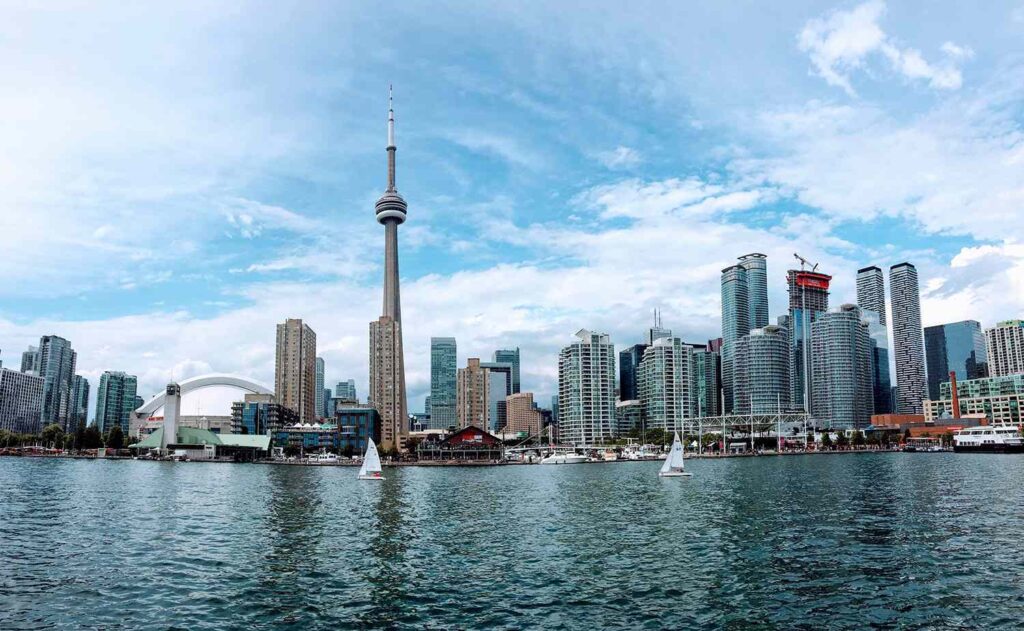
Canada’s cities offer an exciting combination of modern attractions, historic neighborhoods, diverse cuisine, and cultural experiences.
Whether you prefer Toronto’s cosmopolitan atmosphere, Vancouver’s spectacular natural surroundings, or Quebec City’s European-inspired architecture, each destination provides a unique introduction to Canadian travel.
Toronto: The Ultimate Urban Experience
Toronto is Canada’s largest city and one of the country’s most popular destinations for international visitors.
Located on the shores of Lake Ontario, this vibrant metropolis is known for its impressive skyline, multicultural neighborhoods, world-class restaurants, shopping districts, and exciting entertainment options.
Toronto is an excellent starting point for travelers who want to combine urban sightseeing with visits to nearby natural attractions.
Must-See Attractions in Toronto
CN Tower
The CN Tower is one of Toronto’s most recognizable landmarks, offering panoramic views across the city and Lake Ontario.
Visitors can enjoy observation decks, dining experiences, and the adventurous EdgeWalk attraction.
Royal Ontario Museum
The Royal Ontario Museum features extensive collections covering natural history, world cultures, art, and archaeology.
It is particularly appealing to families and travelers interested in educational attractions.
Ripley’s Aquarium of Canada
Located near the CN Tower, this popular aquarium features marine exhibits, underwater viewing tunnels, and fascinating aquatic species.
Distillery Historic District
The Distillery District is a pedestrian-friendly neighborhood featuring restored industrial architecture, boutique shops, art galleries, cafés, and restaurants.
Toronto Islands
A short ferry ride from downtown Toronto takes visitors to the Toronto Islands, where beaches, cycling paths, parks, and beautiful skyline views provide a relaxing escape from the busy city.
Take a Day Trip to Niagara Falls
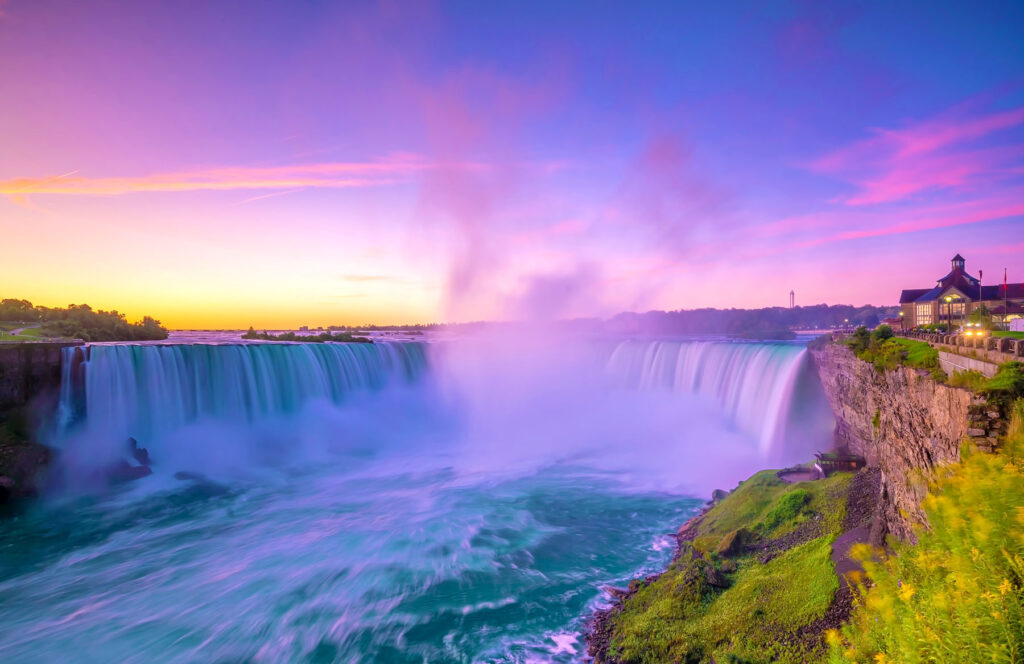
Niagara Falls is one of the most famous natural attractions in North America and an excellent excursion from Toronto.
Visitors can admire the powerful waterfalls from observation areas, join boat experiences when operating, or explore nearby attractions.
Niagara-on-the-Lake is another worthwhile stop, known for its historic streets, boutique shops, and surrounding vineyards.
Food enthusiasts can sample Canadian specialties such as poutine, a popular dish traditionally made with fries, cheese curds, and gravy.
Toronto’s multicultural dining scene also offers an enormous variety of international cuisines.
Vancouver: Where Nature Meets the City
Vancouver is one of Canada’s most scenic urban destinations, combining modern city attractions with spectacular mountains, coastal waters, and beautiful green spaces.
Located in British Columbia, Vancouver is particularly appealing to travelers who enjoy outdoor activities, waterfront sightseeing, and easy access to nature.
The city offers a relaxed coastal atmosphere while providing excellent restaurants, shopping districts, museums, and cultural attractions.
Explore Stanley Park
Stanley Park is one of Vancouver’s most famous attractions and a highlight of any first-time visit.
This expansive urban park features forest trails, beaches, scenic viewpoints, and the famous Seawall pathway.
Visitors can walk or cycle along the waterfront while enjoying views of the harbor, mountains, and surrounding city.
The park also contains Indigenous cultural landmarks, including totem poles representing the artistic traditions of First Nations communities.
Discover Granville Island
Granville Island is a popular cultural and culinary destination featuring a public market, artisan shops, galleries, and waterfront restaurants.
Visitors can browse local produce, enjoy fresh seafood, and discover handmade products from regional artists.
The area is particularly enjoyable for travelers interested in food, shopping, and local culture.
Visit Grouse Mountain and Capilano Suspension Bridge
North Vancouver provides access to several outstanding attractions.
Grouse Mountain offers scenic mountain views, hiking opportunities, and seasonal winter activities.
The Capilano Suspension Bridge Park features a suspension bridge crossing a forested canyon, along with additional elevated walkways and nature experiences.
Both attractions offer memorable opportunities to enjoy British Columbia’s spectacular landscapes.
Explore Vancouver Island
Travelers with additional time should consider visiting Vancouver Island, located off British Columbia’s Pacific coast.
The island is known for beautiful beaches, coastal rainforests, charming communities, and wildlife experiences.
Popular destinations include:
Victoria: British Columbia’s capital, known for historic architecture, waterfront attractions, and gardens.
Tofino: A coastal destination famous for surfing, beaches, rainforest scenery, and whale watching.
Pacific Rim National Park Reserve: A spectacular protected area featuring beaches, forests, and coastal trails.
Nanaimo: A waterfront city offering access to outdoor recreation and nearby islands.
Vancouver Island is particularly attractive to nature enthusiasts and travelers who want to experience Canada’s Pacific coastline.
Quebec City: A Touch of Europe in Canada
Quebec City is one of Canada’s most charming destinations, celebrated for its historic architecture, cobblestone streets, French-speaking culture, and picturesque setting along the St. Lawrence River.
The city’s historic center feels distinctly different from Canada’s modern metropolitan destinations, making it an excellent choice for travelers interested in history, culture, and romantic sightseeing.
Explore Old Quebec
Old Quebec is a UNESCO World Heritage Site recognized for its exceptional historic urban landscape and surviving fortifications.
Visitors can wander through narrow streets, admire centuries-old architecture, and discover charming shops, cafés, and restaurants.
Popular attractions include:
Château Frontenac
The iconic Fairmont Le Château Frontenac dominates Quebec City’s skyline and is one of the city’s most photographed landmarks.
Petit-Champlain District
This picturesque neighborhood features historic buildings, boutiques, restaurants, and beautifully decorated streets.
Place Royale
A historic square associated with the early French settlement of Quebec City.
Dufferin Terrace
A scenic boardwalk offering spectacular views of the St. Lawrence River and surrounding historic architecture.
Citadelle of Quebec
A historic military fortress that provides insight into the city’s defensive history.
Discover French-Canadian Cuisine
Quebec City is an excellent destination for exploring traditional French-Canadian food.
Visitors can enjoy poutine, maple-inspired desserts, tourtière, and regional cheeses.
The city also offers excellent bakeries, cafés, and restaurants serving both traditional and contemporary cuisine.
Because French is the primary language in Quebec City, learning basic French greetings can enhance your travel experience.
Beyond the Cities: Canada’s Most Beautiful Natural Destinations
Although Toronto, Vancouver, and Quebec City are excellent starting points, some of Canada’s most unforgettable experiences are found beyond its major urban centers.
From towering mountains and turquoise lakes to spectacular wildlife and coastal scenery, Canada’s natural attractions deserve a prominent place in your itinerary.
Banff National Park and the Canadian Rockies
Banff National Park in Alberta is one of Canada’s most celebrated natural destinations.
Established in 1885, it is Canada’s oldest national park and forms part of the Canadian Rocky Mountain Parks UNESCO World Heritage property.
The park is famous for dramatic mountain peaks, turquoise lakes, glaciers, alpine forests, and extraordinary wildlife.
Discover Lake Louise and Moraine Lake
Lake Louise is one of the most photographed destinations in Canada, celebrated for its striking turquoise waters and surrounding mountain scenery.
Its distinctive color comes from fine glacial sediment suspended in the water.
Nearby Moraine Lake is another spectacular destination, offering breathtaking views of the Valley of the Ten Peaks.
Access to these popular lakes is subject to transportation arrangements and seasonal restrictions, so travelers should check current Parks Canada information before visiting.
Stay at the Fairmont Banff Springs
The famous Fairmont Banff Springs hotel is one of Canada’s most recognizable mountain accommodations.
Known for its castle-like architecture and dramatic Rocky Mountain setting, the hotel has become an iconic symbol of Banff tourism.
Visitors can admire its architecture, enjoy dining experiences, or book accommodation for a memorable mountain getaway.
Wildlife Watching in Banff
Banff is home to diverse wildlife, including deer, bighorn sheep, elk, black bears, and grizzly bears.
Wildlife sightings are possible along designated routes and in natural areas, but visitors must maintain safe distances and never approach or feed wild animals.
Follow Parks Canada guidance regarding bear safety, hiking precautions, and seasonal trail restrictions.
Discover Prince Edward Island
Prince Edward Island is one of Canada’s most charming Atlantic destinations, known for its rolling countryside, red-sand beaches, picturesque coastal villages, and literary heritage.
The island is closely associated with Anne of Green Gables, the beloved novel by Canadian author Lucy Maud Montgomery.
Visitors can explore Green Gables Heritage Place and discover landscapes that inspired the famous story.
Prince Edward Island is also known for seafood, scenic coastal drives, and relaxed rural experiences.
It is an excellent destination for travelers looking to explore a quieter side of Canada.
Planning Your Perfect Canadian Adventure
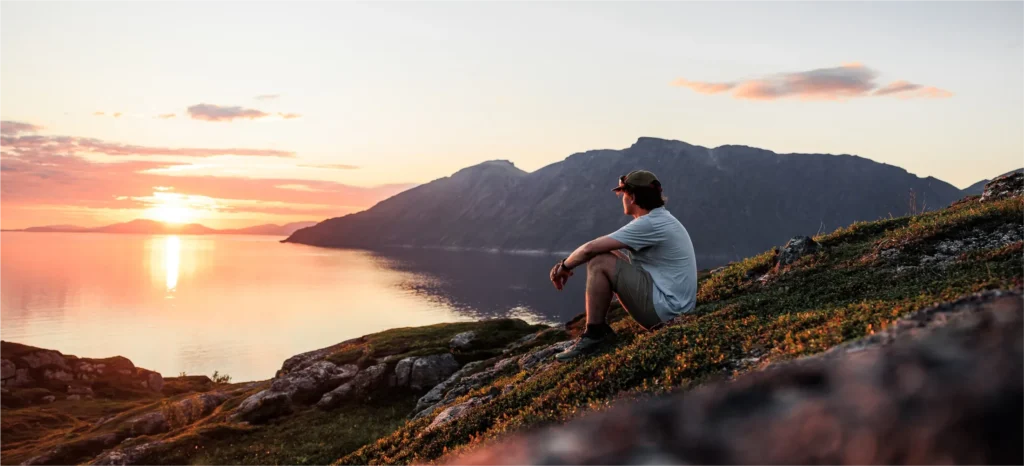
Creating a memorable Canadian vacation begins with selecting destinations that match your interests and travel schedule.
For a first-time visitor, focusing on a specific region generally provides a more enjoyable experience than attempting to travel across the entire country.
Suggested Canada Itineraries
7-Day Eastern Canada Itinerary
Days 1–3: Toronto
Day 4: Niagara Falls
Days 5–7: Montreal or Quebec City
10-Day Western Canada Itinerary
Days 1–3: Vancouver
Days 4–5: Vancouver Island or Whistler
Days 6–10: Banff and the Canadian Rockies
This itinerary involves substantial travel between British Columbia and Alberta, so a flight or carefully planned road journey may be necessary.
14-Day Canada Itinerary
Days 1–4: Toronto and Niagara Falls
Days 5–7: Montreal and Quebec City
Days 8–10: Vancouver
Days 11–14: Banff National Park
This itinerary covers major highlights but requires domestic flights and advance planning.
Travelers who prefer a relaxed holiday should consider spending the full two weeks exploring either eastern or western Canada.
Final Recommendations for First-Time Visitors
Canada offers an extraordinary combination of vibrant cities, spectacular landscapes, fascinating cultures, and unforgettable wildlife encounters.
Whether you’re admiring the skyline of Toronto, exploring Vancouver’s coastal attractions, walking through historic Quebec City, or discovering the turquoise lakes of Banff National Park, every destination provides a different perspective on the country.
For travelers planning their first trip to the Great White North, the most important advice is to choose destinations carefully, account for travel distances, and allow sufficient time to enjoy each experience.
Canada’s enormous size means there is always more to discover, from the rugged mountains of Alberta to the Atlantic coastline and remote northern wilderness.
With thoughtful preparation, practical travel advice, and a well-balanced itinerary, your first Canadian adventure can become an unforgettable journey filled with beautiful scenery, cultural discoveries, outdoor adventures, and lasting memories.
Must-Visit Natural Attractions
Banff National Park: A Natural Wonder
When planning a trip to Canada, exploring Banff National Park stands out as an absolute priority for every traveller seeking awe-inspiring landscapes within the Canadian Rockies. As one of the crown jewels managed by Parks Canada, this magnificent protected area features towering snow-capped peaks, abundant wildlife, and pristine wilderness that continually enriches any comprehensive travel guide.
Niagara Falls: The Iconic Waterfall
No Canada vacation is truly complete without witnessing the roaring power and mist-filled grandeur of Niagara Falls, widely regarded as a premier travel destination for international visitors. Utilizing expert travel tips ensures you secure the best viewpoints and boat tours, allowing you to fully appreciate this legendary natural wonder during your unforgettable journey across the great white north.
Lake Louise: Stunning Blue Waters
The breathtaking turquoise hues of Lake Louise and nearby Moraine Lake offer some of the most photographed scenery in the entire world, captivating every nature lover. Incorporating these stunning alpine lakes into your customized itinerary guarantees an extraordinary visual experience while hiking through the majestic national parks that define this remarkable country.
Discover Canada’s stunning landscapes, iconic landmarks, and top attractions and unforgettable things to do. Start planning your Canadian adventure today!
Adventure and Unique Experiences
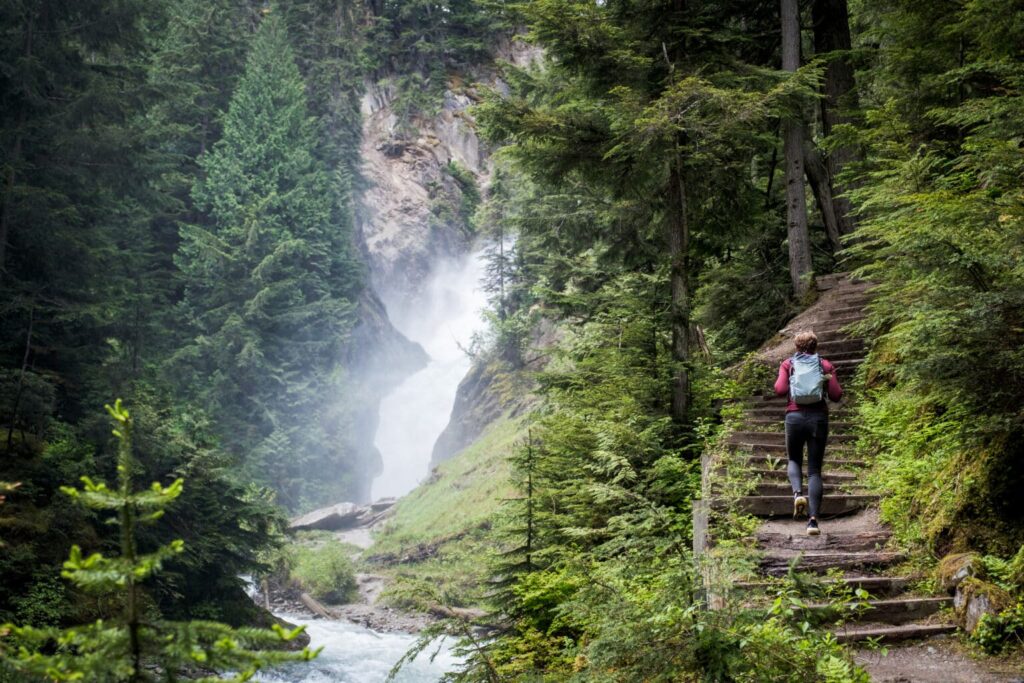
Road Trips: Exploring Canada by Car
Embarking on epic road trips provides the ultimate freedom to discover hidden gems, cascading waterfall vistas, and ancient glacier formations scattered across vast provincial highways. Whether you are driving between Jasper and other iconic spots, having a well-structured travel plan makes exploring remote regions of this magnificent nation both seamless and profoundly rewarding.
Whistler: A Year-Round Destination
Whistler serves as a world-renowned haven for outdoor enthusiasts, offering exceptional skiing opportunities in the winter and incredible mountain biking trails throughout the vibrant summer months. This dynamic resort town easily ranks high on many adventure-seekers’ bucket lists, perfectly complementing urban explorations in cities like Vancouver and Toronto during an extended holiday.
Encountering Polar Bears: A Unique Adventure
Witnessing majestic polar bears roaming freely in their natural Arctic habitat represents a once-in-a-lifetime wildlife encounter that attracts adventurous spirits from all corners of the globe. Planning this specialized leg of your journey carefully ensures a safe and respectful viewing experience, adding an extraordinary dimension to your ultimate exploration of the northern wilderness.
Bucket List Experiences in Canada
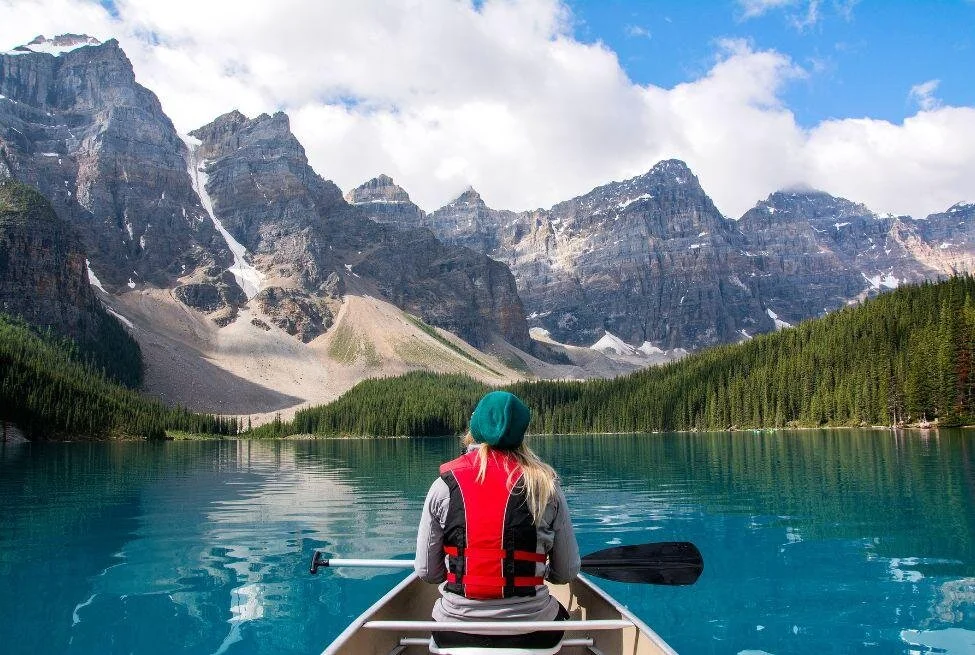
Exploring the Canadian Rockies
When curating your ultimate bucket list for a memorable trip to Canada, exploring the majestic Canadian Rockies stands out as an essential adventure for every avid traveller. Incorporating iconic locations into your personalized itinerary guarantees breathtaking views of soaring peaks, pristine alpine lakes, and remarkable wildlife managed by Parks Canada throughout your journey, such as:
- Banff National Park
- Jasper
Visiting Eastern Canada: A Different Perspective
Venturing toward the eastern provinces provides a fascinating contrast to western landscapes, offering rich history and charming architecture in destinations like Quebec City and vibrant urban centers. Utilizing expert travel tips helps first-time visitors navigate these culturally diverse regions efficiently, ensuring you experience the finest historic sites, culinary delights, and unforgettable sightseeing opportunities during your vacation.
Glacier Viewing: Nature’s Majesty
Witnessing ancient glacier formations up close is a truly awe-inspiring experience that highlights the raw, untouched beauty found within the great white north. As you explore Canada on thrilling road trips across rugged terrain, taking time to admire these frozen giants will undoubtedly remain a high point of your comprehensive travel guide adventure.
Conclusion: Everything You Need to Know
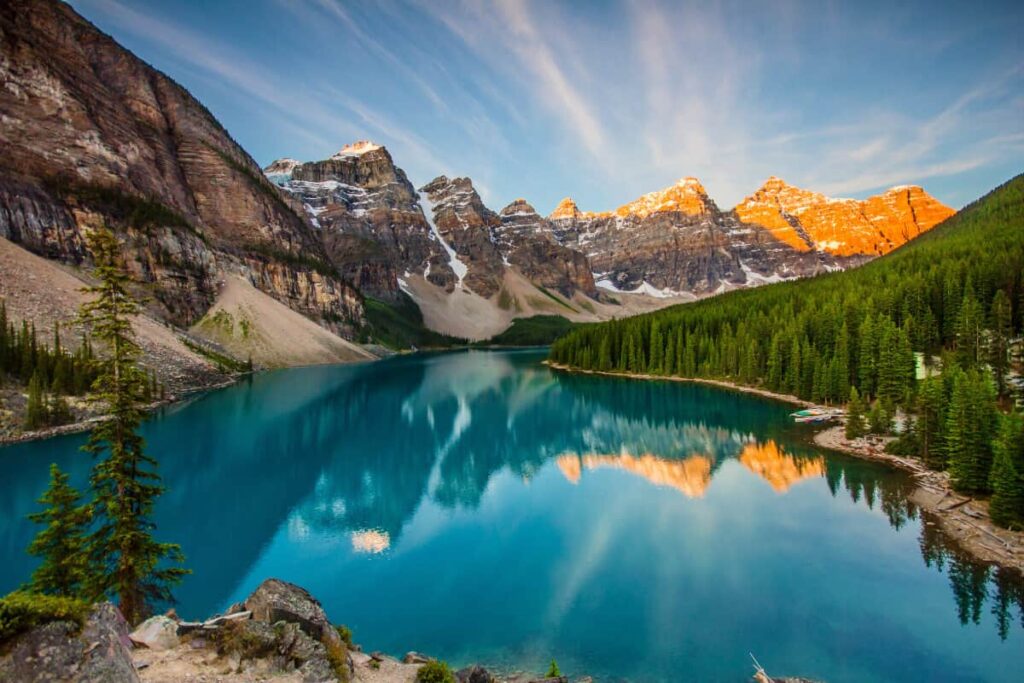
Final Tips for Your Trip to Canada
As you finalize preparations for visiting Canada for the first time, reviewing essential travel tips ensures a seamless transition from urban exploration to wilderness trekking. Knowing the best time to visit and understanding local customs will empower every traveller to make the most of their ultimate vacation across this remarkably diverse and welcoming North American nation.
Recap of Best Places to Visit
Reviewing the top places to visit in Canada reveals an incredible array of choices for adventurous visitors. Every destination highlighted within this comprehensive travel guide promises unique memories that will last a lifetime, ranging from:
- Cosmopolitan cities like Toronto and Vancouver
- Stunning natural wonders including Niagara Falls and Lake Louise
Encouragement to Explore Canada
Embrace the spirit of adventure and start planning a trip to Canada today to discover the endless wonders waiting across its vast provinces and territories. Whether you dream of relaxing near Moraine Lake or skiing in Whistler, answering the call of the wild will transform your travel dreams into an extraordinary reality.