
First Timer Travel Guide: What to Know for Your First Time in Japan
First Timer Travel Guide: What to Know for Your First Time in Japan
Embarking on your journey to the Land of the Rising Sun is an exciting milestone, and having a comprehensive travel guide ensures your adventure goes smoothly from start to finish. Whether you are dreaming of neon-lit streets or tranquil bamboo groves, this introduction to planning a trip to Japan will help you navigate the essentials. From understanding local customs to managing your daily expenses, preparing adequately allows you to fully immerse yourself in the rich culture, stunning landscapes, and unforgettable culinary experiences waiting for every first timer.
Planning Your Trip to Japan
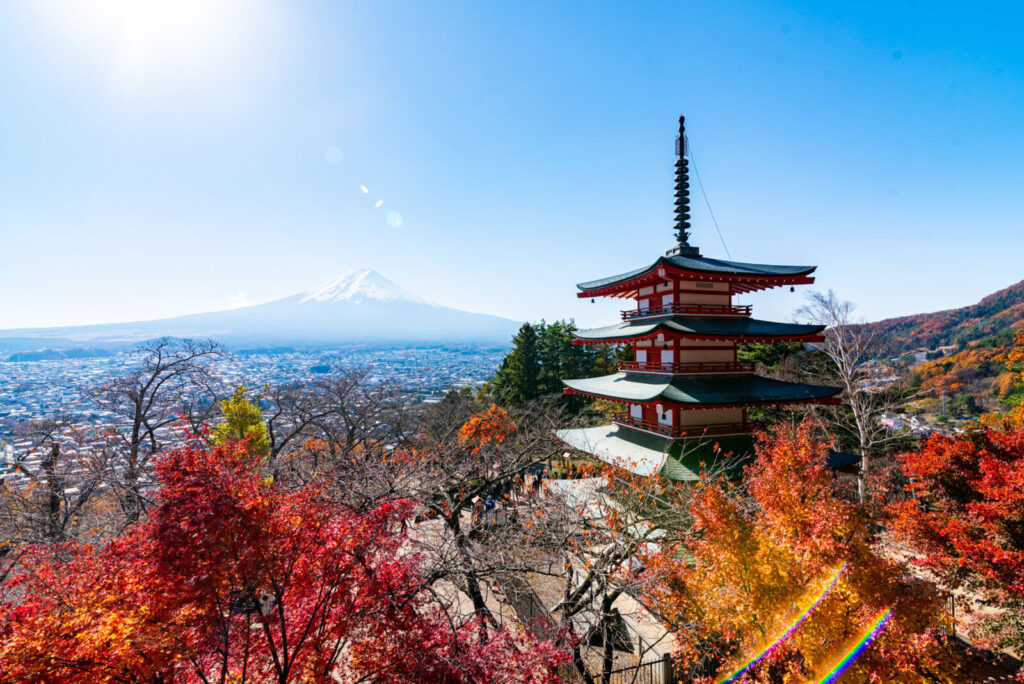
Organizing a successful Japan trip requires careful thought, especially when you are navigating a culture that beautifully blends ancient traditions with ultra-modern innovation. As you begin to plan your first major international adventure, deciding where to go and how long to stay will shape your entire experience. To make the most of your first time in Japan, it is wise to research regional highlights, transportation networks, and seasonal weather patterns so that you can craft a seamless itinerary that balances bustling metropolitan excitement with peaceful countryside retreats.
Best Time to Go to Japan
Determining the best time to go to Japan depends largely on what kind of weather and seasonal scenery you hope to experience during your holiday. Many travelers aim to visit Japan during the spring to witness the breathtaking cherry blossom season, which paints the parks and streets in delicate shades of pink. Alternatively, autumn offers vibrant foliage and comfortable temperatures ideal for exploring historic sites. No matter what time to visit you ultimately choose, each season brings its own unique charm, festivals, and culinary specialties that enhance your overall travel experience.
Japan Itinerary for First Time Visitors
Creating a well-balanced Japan itinerary is essential for first-time visitors who want to experience the country’s highlights without feeling rushed or overwhelmed. A classic route often begins with a few days in Tokyo, allowing you to absorb the dynamic energy of major cities before catching a high-speed bullet train to cultural hubs like Kyoto and Osaka. Incorporating diverse destinations ensures you witness both futuristic skyscrapers and serene spiritual landmarks, giving you a comprehensive understanding of the nation’s captivating duality and heritage.
Costs in Japan: What to Expect
Understanding the typical trip to Japan cost helps you budget effectively so you can enjoy your vacation without financial stress. While accommodations, dining, and activities vary depending on your personal travel style, Japan can surprisingly accommodate both mid-range and luxury budgets quite well. Utilizing efficient public transport, purchasing a convenient Japan rail pass, and eating at local casual eateries will help keep your expenses manageable while you explore iconic landmarks, magnificent temples, and vibrant neighborhoods across the country.
Getting Around in Japan
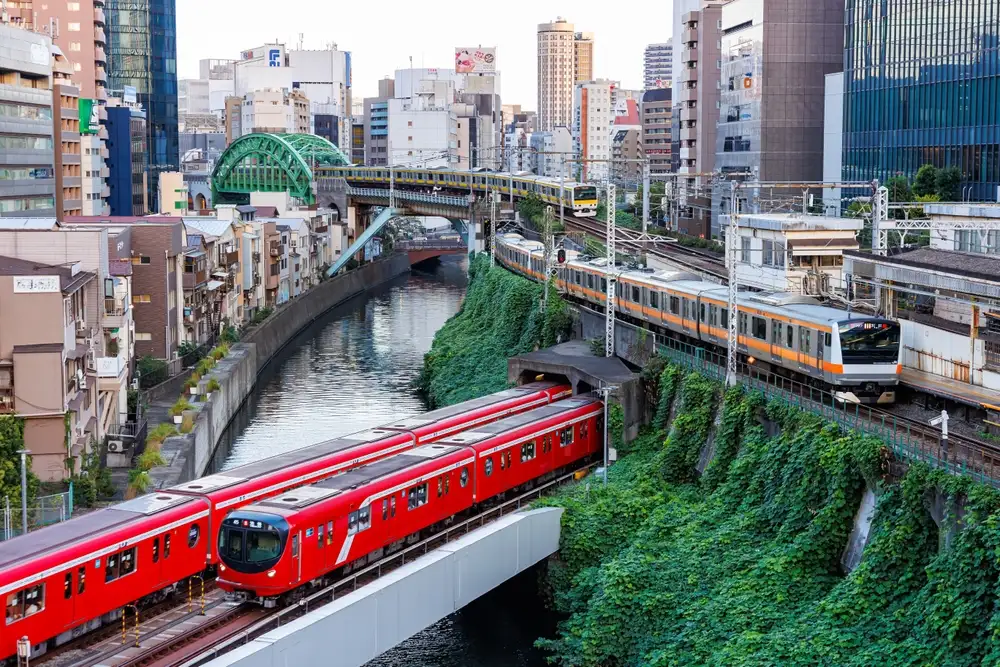
Navigating the country efficiently is a crucial part of any travel guide, especially when you are embarking on your first trip to Japan. The nation boasts one of the most advanced, punctual, and comprehensive transportation networks in the world, making it remarkably easy to move around Japan whether you are exploring bustling metropolitan areas or venturing into the serene countryside. Understanding how to use the transit system will save you time and reduce stress, allowing you to focus on enjoying the incredible sights, sounds, and experiences that await you during your unforgettable holiday abroad.
Japan Rail Pass: A First Timer’s Guide
Securing a Japan rail pass is widely considered an essential travel tip for anyone experiencing Japan for the first time. This cost-effective ticket provides unlimited travel on most national trains, including the iconic bullet train network that connects major cities with astonishing speed and comfort. When planning a trip to Japan, purchasing this pass in advance allows you to seamlessly travel between dynamic urban centers like Tokyo and cultural hotspots like Kyoto, Osaka, and even Hiroshima without needing to buy individual tickets for every single segment of your carefully crafted Japan itinerary.
Public Transportation in Tokyo
Utilizing local public transport is the most efficient way to get around the capital when you stay in Tokyo during your first trip to Japan. The sprawling subway and train networks are impeccably organized, clean, and safe, though navigating the massive stations can occasionally feel overwhelming for a first timer. Purchasing an IC card like Suica or Pasmo will make your daily commute effortless, enabling you to tap through turnstiles instantly as you make your way between:
- famous neighborhoods
- historic temples
- world-class dining establishments across the metropolis
Travel Tips for Navigating Cities
Mastering a few practical travel tips will significantly enhance your ability to explore major cities like Tokyo and Osaka with confidence. To make the most of your trip, remember to:
- download a reliable offline navigation app
- keep some cash handy for smaller establishments that do not accept cards
- familiarize yourself with local etiquette, such as queueing politely for trains and keeping your voice down
As you continue your journey around Japan, these small habits will help you blend in seamlessly, respect local customs, and make the most of every single day spent discovering the unique wonders of this remarkable island nation.
Must-Visit Cities in Japan
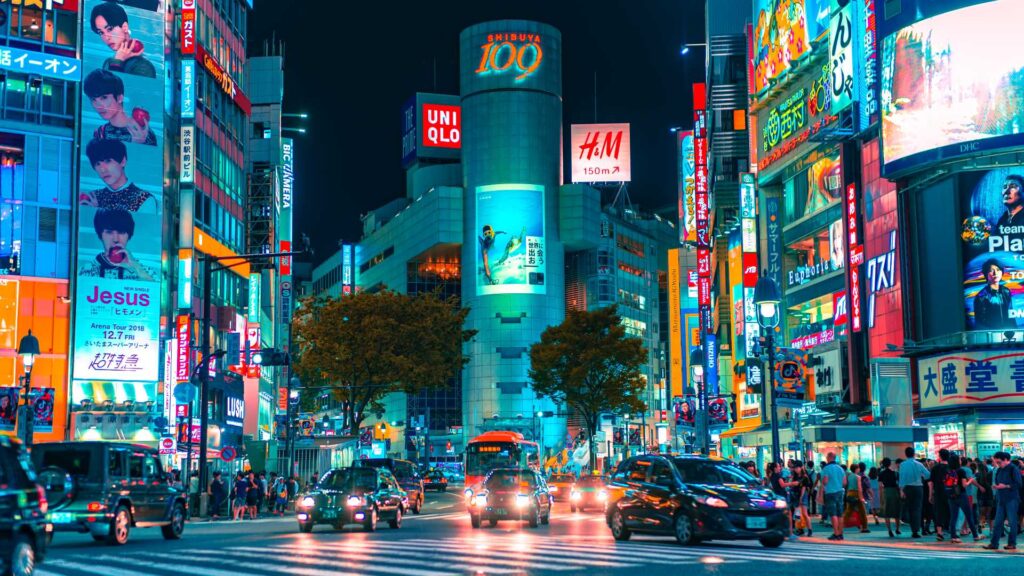
When you plan your first major holiday to visit Japan, experiencing the distinct personality of the major cities is an absolute must for any comprehensive travel guide. Every urban center offers a fascinating contrast between futuristic innovation and deeply rooted traditions, making your first time in Japan an unforgettable sensory overload. From neon-drenched avenues to quiet spiritual sanctuaries, building a well-rounded Japan itinerary ensures you capture the true essence of the country. Whether you spend your days marveling at towering skyscrapers or tasting local street food, exploring these dynamic destinations will undoubtedly be the highlight of your entire adventure.
Exploring Tokyo: Best Places to Visit
When you stay in Tokyo, you will quickly discover an endless array of best places to visit that cater to every conceivable interest. As you navigate the sprawling metropolis during your first trip to Japan, iconic landmarks like the historic Senso-ji temple in Asakusa and the bustling pedestrian scramble in Shibuya stand out as essential things to do in Tokyo. Art enthusiasts and pop culture fans alike will find plenty of inspiration in districts like Akihabara and Roppongi. Utilizing the city’s exceptional public transport makes hopping between these vibrant neighborhoods effortless, allowing a first timer to experience the dizzying pace of modern life seamlessly.
Kyoto: Cultural Highlights for First Timers
Traveling south from urban concrete jungles brings first-time visitors to the cultural heartland, making Kyoto one of the most enchanting places to visit in Japan. This historic city served as the imperial capital for centuries and remains home to thousands of classical Buddhist temples, serene Zen gardens, and traditional wooden machiya townhouses. Walking through the mesmerizing red torii gates at Fushimi Inari Shrine or catching a glimpse of a geisha in the Gion district offers a profound connection to the nation’s past. Including this magnificent destination in your broader Japan travel plans provides a wonderful counterbalance to the hyper-modern energy found in places like Tokyo and Osaka.
Osaka: Food and Entertainment
Concluding your journey in the vibrant port city of Osaka guarantees a high-energy finale filled with incredible gastronomy and unmatched entertainment. Often celebrated as the nation’s kitchen, this bustling hub invites every traveler to sample iconic local delicacies like savory takoyaki and crispy kushikatsu in neon-lit entertainment districts like Dotonbori. After enjoying a delicious meal featuring world-class sushi, you can easily take a convenient day trip to nearby historic sites or simply soak in the famously friendly local atmosphere. Experiencing this lively destination wraps up your unforgettable days in Japan with joyful memories and a full stomach.
Experiencing Japanese Culture
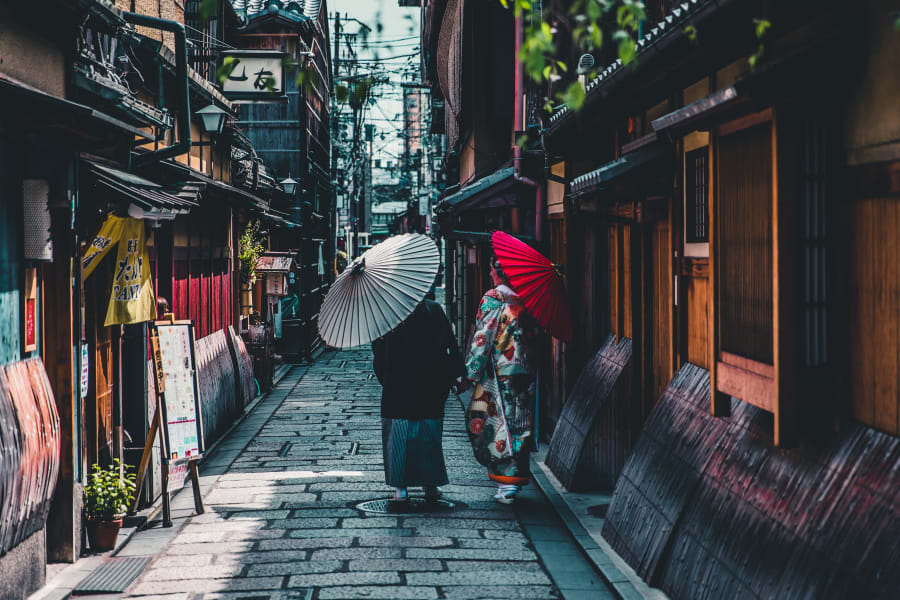
Immersing yourself in local customs is a vital part of any comprehensive travel guide when you plan your first major holiday to visit Japan. Your first time in Japan offers countless opportunities to appreciate ancient traditions that have been preserved for centuries. Whether you are observing intricate tea ceremonies or admiring stunning gardens during your Japan itinerary, understanding the cultural landscape enhances your overall journey around Japan. As you travel to Japan, keeping an open mind and respecting local traditions will ensure your trip to Japan is both respectful and deeply rewarding for every first timer.
Food in Japan: What to Try
Sampling local cuisine is undoubtedly one of the best things to do when you take your first trip to Japan. From enjoying melt-in-your-mouth sushi at a bustling market in major cities like Tokyo and Osaka to savoring steaming bowls of ramen, your palate is in for an extraordinary treat. During your days in Tokyo, make sure to venture beyond familiar dishes and try regional street food specialties. Eating well is a central highlight of any Japan travel plan, and tasting these culinary masterpieces will undoubtedly become one of your favorite memories of your time in the country.
Speaking English in Japan: Tips for Communication
Navigating language barriers can feel intimidating for first-time visitors, but a practical travel tip is that basic English is widely understood in tourist areas, hotels, and major transit hubs across Japan. While locals appreciate when you attempt a few polite phrases in Japanese, you will generally find that signs in major cities feature English translations. Utilizing translation apps on your smartphone can also bridge any communication gaps smoothly. Preparing yourself with these simple strategies ensures you can ask for directions, order food with confidence, and enjoy a stress-free adventure.
Understanding Japanese Etiquette
Respecting local social norms is essential during your first trip to Japan, as proper etiquette plays a massive role in daily life. From removing your shoes before entering traditional accommodations or a sacred temple to bowing slightly when greeting someone, these polite gestures show appreciation for the culture. Additionally, you can make a significant positive impression on residents by practicing a few simple habits, such as:
- avoiding walking while eating
- keeping your phone on silent on public transport
- placing cash on trays at registers rather than handing it directly to the cashier
Activities and Things to Do in Japan
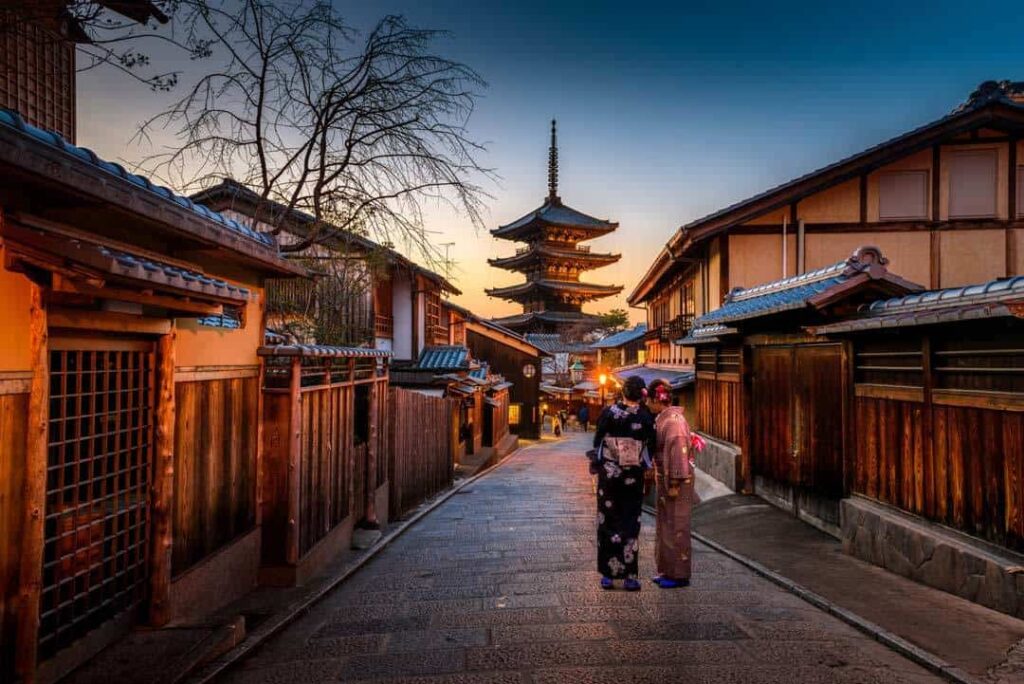
Japan is one of the most fascinating travel destinations in the world, offering an extraordinary combination of ancient traditions, modern cities, breathtaking landscapes, and unforgettable cultural experiences. Whether you are planning your first trip to Japan or returning to discover new destinations, there are countless attractions and activities to include in your itinerary.
For travellers visiting Japan for the first time, exploring major destinations such as Tokyo, Kyoto, Osaka, and Hiroshima provides an excellent introduction to everything Japan has to offer. From the futuristic skyscrapers of Tokyo to the historic temples of Kyoto, every destination offers something different.
If you are planning 10 days in Japan, you can comfortably explore several major attractions while enjoying traditional Japanese cuisine, scenic train journeys, cultural experiences, and historic landmarks. Travellers spending two or three weeks in Japan will have even more time to explore smaller towns, peaceful mountain regions, and lesser-known destinations.
Japan is also famous for its efficient public transportation, making it relatively easy to travel within Japan using high-speed bullet trains, local railways, and convenient city transport networks.
Whether you want to go to Tokyo, experience traditional Japanese hospitality, or explore historic temples, careful planning will help you make the most of your Japan adventure.
Top Attractions in Tokyo
Tokyo is Japan’s vibrant capital and one of the most exciting big cities in the world. Combining futuristic technology, historic shrines, world-class shopping, and exceptional dining, the city offers an incredible variety of attractions for first-time visitors.
If it’s your first time exploring Japan, Tokyo is an excellent place to begin your journey. The city provides a fascinating introduction to Japanese culture while offering convenient transportation connections to other destinations.
For travellers planning a Tokyo itinerary, spending at least three to five days in the capital allows sufficient time to experience several famous neighbourhoods, cultural attractions, and popular landmarks.
However, visitors who want to explore Tokyo in greater detail may prefer a longer stay.
Shibuya Crossing and the Famous Tokyo Streets
Shibuya is one of Tokyo’s most recognizable districts, famous for its enormous pedestrian crossing, fashionable shopping centres, restaurants, and vibrant entertainment scene.
The Shibuya Scramble Crossing attracts visitors from around the world who want to experience the energy of one of the busiest pedestrian intersections in Japan.
Popular things to see in Shibuya include:
Shibuya Scramble Crossing.
Hachiko Memorial Statue.
Shibuya Sky observation deck.
Shibuya shopping streets.
Fashion boutiques and department stores.
Restaurants, cafés, and entertainment venues.
If you’re visiting Tokyo for the first time, Shibuya is an excellent destination for experiencing the city’s modern atmosphere.
For travellers who have never visited Tokyo, watching hundreds of pedestrians cross the intersection simultaneously is a memorable introduction to Japanese urban life.
Tokyo Skytree: Spectacular Views of the Capital
Tokyo Skytree is one of the city’s most impressive landmarks and a popular attraction for travellers who want panoramic views of the Japanese capital.
Standing approximately 634 metres tall, Tokyo Skytree is among the tallest structures in the world.
Visitors can purchase tickets to its observation decks, which provide spectacular views across the surrounding city.
On particularly clear days, Mount Fuji may be visible in the distance.
The surrounding Tokyo Solamachi shopping complex also offers restaurants, shops, and entertainment attractions.
For photography enthusiasts, visiting Tokyo Skytree near sunset can provide a beautiful time to capture the changing colours of the skyline.
Shinjuku: Shopping, Entertainment and Nightlife
Shinjuku is one of Tokyo’s busiest commercial and entertainment districts, offering a fascinating mixture of skyscrapers, shopping streets, restaurants, and nightlife.
Visitors can explore department stores, enjoy Japanese cuisine, and discover the city’s lively evening atmosphere.
Popular attractions include:
Tokyo Metropolitan Government Building observation facilities.
Shinjuku Gyoen National Garden.
Kabukicho entertainment district.
Omoide Yokocho dining alley.
Golden Gai nightlife district.
Major shopping centres and department stores.
Shinjuku Gyoen is particularly appealing for travellers who want a peaceful escape from the busy streets.
During spring, its cherry blossoms attract visitors looking for beautiful seasonal scenery.
Asakusa and Senso-ji Temple
Asakusa offers a more traditional atmosphere than many of Tokyo’s modern entertainment districts.
The area’s most famous attraction is Senso-ji Temple, one of Tokyo’s oldest and most important Buddhist temples.
Visitors can walk through the impressive Kaminarimon Gate and explore Nakamise Shopping Street, where traditional snacks, souvenirs, and Japanese crafts are available.
Popular experiences include:
Visiting Senso-ji Temple.
Exploring Nakamise Shopping Street.
Photographing traditional architecture.
Sampling Japanese street food.
Shopping for handmade souvenirs.
Walking along the nearby Sumida River.
Asakusa is an excellent destination for travellers interested in Japanese history and cultural traditions.
Meiji Jingu Shrine and Harajuku
Meiji Jingu is a peaceful Shinto shrine surrounded by a large forested area near Harajuku.
The shrine provides a tranquil contrast to Tokyo’s busy shopping and entertainment districts.
Visitors can explore walking paths, admire traditional shrine architecture, and learn about Japanese customs.
Nearby Harajuku is famous for its fashion boutiques, colourful street culture, and unique shopping experiences.
Combining Meiji Jingu with Harajuku provides an interesting balance between traditional and modern Japanese culture.
Best Restaurants and Food Experiences in Tokyo
Tokyo is internationally recognized for its outstanding culinary scene, offering everything from affordable street food to high-end dining.
Restaurants in Tokyo serve an enormous variety of Japanese and international dishes.
Popular Japanese foods to try include:
Sushi and sashimi.
Ramen.
Tempura.
Yakitori.
Tonkatsu.
Udon and soba noodles.
Japanese curry.
Wagyu beef.
Traditional sweets and desserts.
Visitors can enjoy casual meals in neighbourhood restaurants, explore food markets, or book a special dining experience.
Food lovers should allow sufficient time to explore Tokyo’s diverse culinary offerings.
Suggested Tokyo Itinerary for First-Time Visitors
If you are planning your first trip to Japan, organizing your time in Tokyo around nearby attractions can reduce unnecessary travel.
The following three-day Tokyo itinerary provides a practical introduction to the capital.
| Day | Main Attractions | Suggested Activities |
|---|---|---|
| Day 1 | Asakusa and Tokyo Skytree | Visit Senso-ji Temple, explore traditional streets, enjoy city views |
| Day 2 | Shibuya, Harajuku and Meiji Jingu | Experience Shibuya Crossing, visit the shrine, explore shopping districts |
| Day 3 | Shinjuku and Central Tokyo | Explore gardens, shopping streets, observation decks and restaurants |
Your first day in Tokyo should ideally be relatively relaxed, especially if you are arriving after a long international flight.
If you have additional time to spend in the city, consider visiting Ueno Park, Akihabara, Odaiba, or the Imperial Palace East Gardens.
For travellers arriving at Tokyo Station, the surrounding Marunouchi district also offers impressive architecture, shopping, and convenient railway connections.
A well-planned Tokyo travel guide can help you organize attractions by neighbourhood and make the most of your available sightseeing time.
Historical Sites in Hiroshima
Hiroshima is one of Japan’s most historically significant cities, offering visitors an opportunity to learn about the country’s past while experiencing its modern culture and remarkable resilience.
Located in western Japan, Hiroshima is an important destination for travellers interested in history, peace education, and cultural heritage.
Although the city is widely associated with the atomic bombing of August 1945, modern Hiroshima is also known for its beautiful parks, welcoming atmosphere, local cuisine, and nearby natural attractions.
For visitors travelling between Tokyo and Kyoto or continuing towards western Japan, Hiroshima can be included as part of a longer itinerary.
Hiroshima Peace Memorial Park
Hiroshima Peace Memorial Park is one of the city’s most important historical destinations.
The park commemorates the victims of the atomic bombing and promotes a message of international peace.
Visitors can explore several memorials and monuments throughout the landscaped grounds.
Important landmarks include:
Children’s Peace Monument.
Cenotaph for the Atomic Bomb Victims.
Peace Flame.
Hiroshima Peace Memorial Museum.
Atomic Bomb Dome.
The park provides a peaceful environment for reflection and remembrance.
Visitors should approach these locations respectfully, as they commemorate an event that caused immense human suffering.
Hiroshima Peace Memorial Museum
The Hiroshima Peace Memorial Museum provides historical information about the atomic bombing, its consequences, and the experiences of those affected.
Its exhibitions include photographs, personal belongings, historical documents, and survivor testimonies.
Visiting the museum can be an emotional experience, but it offers valuable historical context.
Travellers interested in understanding modern Japanese history should consider allocating sufficient time to explore the exhibitions thoughtfully.
Atomic Bomb Dome
The Atomic Bomb Dome is one of Hiroshima’s most recognizable landmarks.
The preserved structure stands near the hypocentre of the 1945 atomic bombing and serves as a powerful reminder of the devastation caused by nuclear weapons.
Today, it is recognized as a UNESCO World Heritage Site.
Visitors can view the building from surrounding public areas while learning about its historical significance.
Hiroshima Castle and Shukkeien Garden
Beyond the Peace Memorial Park, Hiroshima offers several other cultural attractions.
Hiroshima Castle is a reconstructed historic landmark surrounded by attractive grounds.
The original castle was destroyed during the atomic bombing, and the reconstructed main keep reflects the city’s historical heritage.
Shukkeien Garden is another popular destination, featuring landscaped ponds, traditional bridges, and carefully maintained Japanese gardens.
These attractions provide a quieter experience after visiting the city’s major memorial sites.
Miyajima Island and Itsukushima Shrine
Miyajima Island is one of the most beautiful destinations near Hiroshima.
The island is famous for Itsukushima Shrine and its iconic torii gate, which appears to float above the water during high tide.
Visitors can reach Miyajima using local train services followed by a short ferry journey.
Popular activities include:
Visiting Itsukushima Shrine.
Photographing the famous torii gate.
Exploring traditional shopping streets.
Sampling local food.
Walking through Momijidani Park.
Taking the ropeway towards Mount Misen.
Enjoying scenic views across the Seto Inland Sea.
Miyajima is an excellent addition to a Hiroshima itinerary and is particularly appealing to travellers interested in Japanese temples, natural scenery, and traditional architecture.
Unique Experiences for First-Time Travellers
There is much more to Japan than its famous cities and popular sightseeing attractions.
For travellers visiting Japan for the first time, experiencing local traditions, regional cuisine, and everyday Japanese culture can be just as memorable as visiting major landmarks.
Whether you are staying for 10 days in Japan or planning several weeks in Japan, including a variety of cultural activities will help create a more rewarding journey.
Stay in a Traditional Japanese Ryokan
A ryokan is a traditional Japanese inn that offers a distinctive accommodation experience.
Unlike conventional hotels in Japan, many ryokan feature tatami flooring, futon bedding, traditional interior design, and carefully prepared Japanese meals.
Some properties also offer access to communal or private hot spring baths.
Staying in a ryokan allows visitors to experience traditional Japanese hospitality while enjoying a slower pace of travel.
Popular destinations for ryokan stays include Hakone, Kyoto, Takayama, and several mountain and hot spring towns.
For travellers planning their first trip, even one night in a traditional ryokan can be a memorable cultural experience.
Relax in a Japanese Onsen
An onsen is a natural hot spring bathing facility and an important part of Japanese relaxation culture.
Japan has numerous hot spring destinations, ranging from mountain villages to coastal resorts.
Popular onsen destinations include:
Hakone.
Beppu.
Kusatsu.
Kinosaki Onsen.
Noboribetsu.
Yufuin.
Visitors should familiarize themselves with Japanese bathing etiquette before entering an onsen.
Most traditional facilities require guests to wash thoroughly before entering the baths, and swimwear is generally not permitted in communal bathing areas.
Some establishments have specific rules regarding tattoos, so checking policies in advance is recommended.
Experience Japan’s Famous Bullet Trains
Travelling on Japan’s Shinkansen bullet trains is one of the most convenient ways to explore multiple destinations.
These high-speed trains connect major cities such as Tokyo, Kyoto, Osaka, Hiroshima, and Fukuoka.
For travellers planning to travel from Tokyo to Osaka, the Tokaido Shinkansen offers a comfortable and efficient journey.
Similarly, taking a train from Tokyo to Kyoto provides an opportunity to experience Japan’s modern railway infrastructure.
Travellers can also use Tokyo Station as a major departure point for journeys across the country.
A Japan Rail Pass may be useful for certain longer itineraries, but it is important to compare individual ticket prices before purchasing one.
For most visitors, renting a car in Japan is unnecessary when travelling between major cities because the railway network is extensive.
However, a rental car may be useful for exploring rural destinations with limited public transportation.
Explore Kyoto’s Historic Temples and Shrines
Kyoto is one of Japan’s most important cultural destinations and a popular addition to a first-time itinerary.
The former imperial capital is known for its historic temples, traditional neighbourhoods, landscaped gardens, and beautiful seasonal scenery.
Popular attractions include:
Fushimi Inari Taisha.
Kinkaku-ji Golden Pavilion.
Kiyomizu-dera Temple.
Arashiyama Bamboo Grove.
Gion historic district.
Nishiki Market.
For travellers planning a trip that includes Tokyo and Kyoto, spending three or four days in Kyoto allows time to explore its major attractions.
Kyoto also provides convenient connections to Osaka and Nara.
Discover Osaka’s Food and Entertainment Culture
Osaka is another major city in Japan that deserves a place on many first-time itineraries.
Known for its lively atmosphere, shopping districts, and exceptional street food, Osaka offers a different experience from Tokyo and Kyoto.
Popular attractions include:
Dotonbori.
Osaka Castle.
Universal Studios Japan.
Kuromon Market.
Shinsekai.
Umeda Sky Building.
Food enthusiasts should try local specialities such as takoyaki and okonomiyaki.
Osaka can also serve as a convenient base for exploring nearby Kyoto, Nara, and Kobe.
Experience a Traditional Japanese Tea Ceremony
Participating in a traditional Japanese tea ceremony is an excellent way to learn about Japanese customs and hospitality.
Tea ceremonies emphasize mindfulness, respect, preparation, and appreciation of the moment.
Visitors can learn about matcha preparation, traditional etiquette, and the cultural significance of tea.
Kyoto is particularly well known for tea ceremony experiences, although workshops are also available in Tokyo and other cities.
Visit Mount Fuji and the Surrounding Lakes
Mount Fuji is one of Japan’s most recognizable natural landmarks and a popular destination for first-time travellers.
Visitors can admire the mountain from several locations, including the Fuji Five Lakes region and Hakone.
Lake Kawaguchiko is particularly popular for photography, scenic walks, and views of Mount Fuji.
Visibility depends heavily on weather conditions, so clear mountain views cannot be guaranteed.
For travellers staying in Tokyo, some Mount Fuji destinations can be visited on a day trip, although an overnight stay provides additional time to explore.
How Many Days Should You Spend in Japan?
The ideal duration of your visit depends on your interests, budget, and the number of destinations you want to explore.
Japan offers enough attractions to fill several weeks or even a month in Japan, but shorter trips can still provide an excellent introduction.
| Trip Duration | Suggested Destinations | Best For |
|---|---|---|
| 7 days | Tokyo and Kyoto | Short first-time visits |
| 10 days | Tokyo, Kyoto and Osaka | Classic first-time Japan itinerary |
| 14 days | Tokyo, Kyoto, Osaka and Hiroshima | Travellers wanting additional cultural experiences |
| 21 days | Tokyo, Hakone, Kyoto, Osaka, Hiroshima and regional towns | More comprehensive exploration |
| 1 month | Major cities and rural regions | Slow travel and in-depth discovery |
For travellers planning 10 days in Japan, a practical itinerary might include four nights in Tokyo, three nights in Kyoto, and two nights in Osaka, with the remaining time allocated according to arrival and departure schedules.
If you are flying home from Tokyo, allow sufficient time to travel back to Tokyo before your international departure.
Visitors spending two or three weeks in Japan can include Hiroshima, Miyajima, Hakone, Takayama, or other regional destinations.
Essential Japan Travel Tips for First-Time Visitors
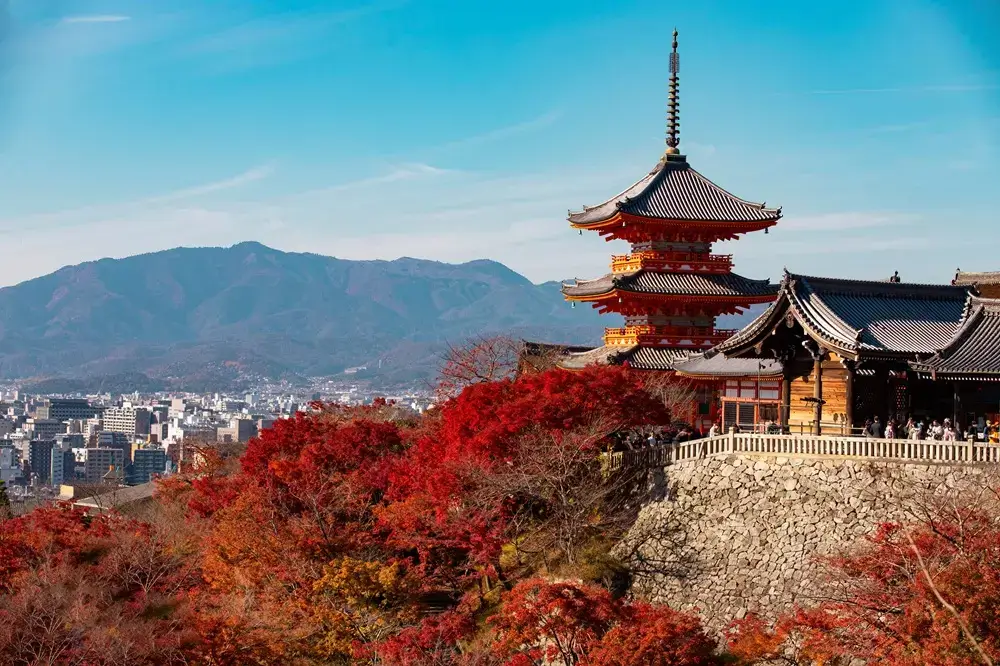
Planning your first trip to Japan involves more than selecting attractions.
Understanding transportation, accommodation, travel requirements, and local customs can help make your holiday smoother.
Check Japan Visa Requirements
Before travelling, confirm whether you need a Japan visa based on your nationality, passport, and purpose of travel.
Visa requirements differ between countries and may change.
South African passport holders generally need to arrange an appropriate visa before travelling to Japan for tourism.
Always check the latest requirements through the official Japanese embassy or consulate before making final travel arrangements.
Choose the Best Time to Visit Japan
The best time to visit Japan depends on your preferred activities and weather conditions.
Spring is famous for cherry blossoms, while autumn offers beautiful foliage and comfortable sightseeing temperatures.
Summer is popular for festivals but can be hot and humid, especially in big cities like Tokyo and Osaka.
Winter provides opportunities for skiing, snowboarding, and enjoying hot spring resorts.
Each season offers a different perspective on Japan’s natural beauty and cultural traditions.
Book Accommodation in Advance
Japan offers a wide range of accommodation options, including luxury hotels, business hotels, traditional ryokan, hostels, and apartment-style accommodation.
When choosing where to stay in Japan, consider proximity to railway stations, major attractions, and transportation connections.
For first-time visitors, staying near convenient train stations can make daily sightseeing significantly easier.
Popular accommodation areas in Tokyo include Shinjuku, Shibuya, Ueno, Asakusa, and the Tokyo Station area.
Use Public Transportation
Japan’s railway and metro networks make it convenient to travel between major cities and attractions.
Especially in Tokyo, public transportation is generally more practical than driving.
Consider using a rechargeable IC transport card where supported, and check train schedules before travelling.
Allow additional time during busy commuting periods, particularly when carrying luggage.
Respect Japanese Customs and Etiquette
Japanese culture places considerable importance on politeness, cleanliness, and respect for others.
Useful travel tips include:
Speak quietly on public transportation.
Follow local rules when visiting temples and shrines.
Remove your shoes where required.
Dispose of rubbish responsibly.
Respect queues and designated waiting areas.
Follow photography restrictions.
Learn a few basic Japanese phrases.
Be considerate of local residents in busy tourist areas.
These simple practices can help ensure a respectful and pleasant travel experience.
Final Thoughts on Activities and Things to Do in Japan
Japan is one of the most rewarding destinations in the world for travellers seeking a combination of modern attractions, historic landmarks, natural scenery, and cultural experiences.
Whether it is your first time visiting Japan or you are returning for another adventure, there is always something new to discover.
From exploring Tokyo Skytree and Shibuya Crossing to visiting Hiroshima’s Peace Memorial Park, staying in a traditional ryokan, and travelling between Tokyo and Kyoto on the bullet train, the country offers unforgettable experiences for every type of traveller.
For visitors planning their first trip, combining major cities with cultural attractions and scenic destinations provides an excellent introduction to Japanese life.
With thoughtful planning, a flexible itinerary, and sufficient time to explore, your first Japan adventure can become a memorable journey filled with incredible sights, fascinating traditions, and unique experiences.