

Best Greek Islands to Visit: A Traveler’s Guide
Explore the Top Greek Islands for Stunning Beaches, Charming Villages, and Island Adventures
The Greek Islands, scattered across the Aegean and Ionian Seas, offer an unparalleled tapestry of experiences, from sun-drenched beaches and vibrant nightlife to ancient ruins and tranquil villages. This guide will navigate you through the best Greek Islands, helping you discover the perfect destination for your next unforgettable adventure.
Overview of the Best Greek Islands
Why Visit the Greek Islands?
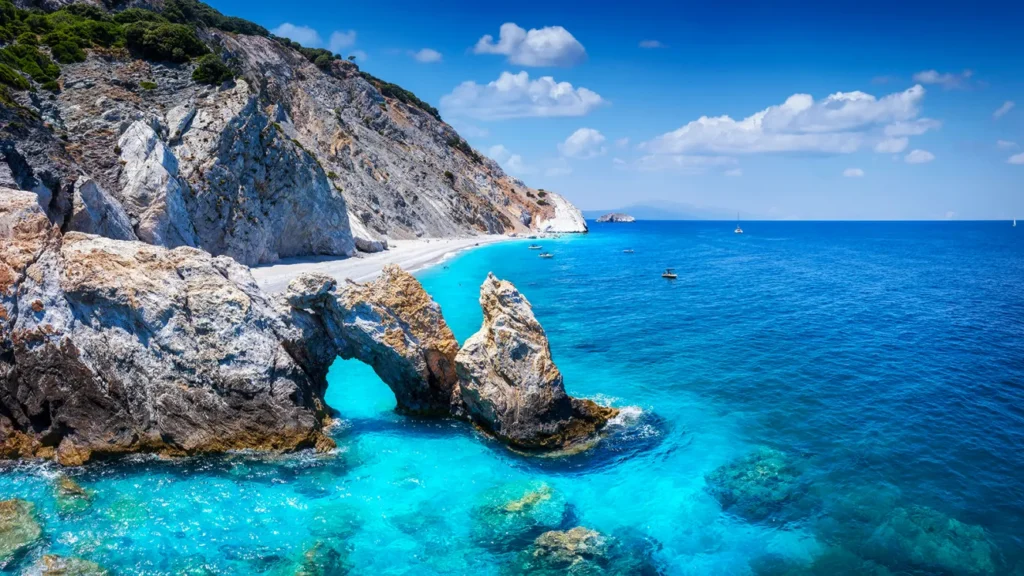
Visiting the Greek Islands offers an intoxicating blend of natural beauty, rich history, and vibrant culture that beckons every type of traveler. From the dramatic volcanic landscapes of Santorini to the pristine beaches of Naxos, these islands are renowned for their stunning coastlines, crystal-clear waters, and a seemingly endless summer. It’s an opportunity to immerse yourself in ancient myths, explore charming traditional villages, and savor authentic Greek cuisine while experiencing the warm hospitality of the locals.
What Makes Each Island Unique?
Each Greek island boasts its own distinct character, ensuring that your trip to Greece can be as varied as you desire. For example, Santorini is famed for its iconic sunsets and whitewashed cliffside villages, while Mykonos is synonymous with its vibrant beach clubs and bustling nightlife. Crete, the largest island, offers a diverse landscape from rugged mountains to ancient ruins like the Palace of Knossos, alongside beautiful beaches. Exploring these destinations reveals their individual charm, whether it’s the Venetian architecture of Corfu or the medieval old town of Rhodes.
Choosing the Right Island for Your Trip
Choosing the right island among the best Greek islands for your trip involves considering your personal preferences and travel style. If you’re a history buff, Rhodes or Crete, with their ancient ruins and archaeological sites, might be ideal. For those seeking lively nightlife and stunning beaches, Mykonos and Paros are excellent choices. If romance is on the agenda, Santorini’s dramatic vistas and breathtaking sunsets are unparalleled. The Cycladic island group offers iconic white-and-blue architecture, while the Ionian Islands are characterized by lush greenery and Venetian influences.
Top Destinations: Best Greek Islands
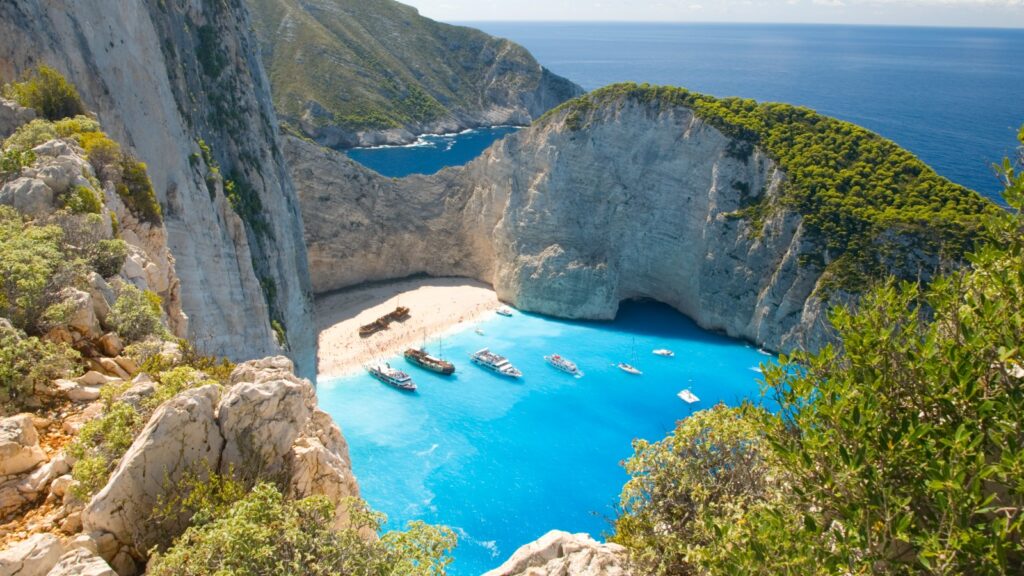
With thousands of islands and islets scattered across the Aegean and Ionian seas and roughly 200 inhabited islands, choosing where to go on a Greek island holiday can feel overwhelming. From volcanic landscapes and rejuvenating hot springs to ancient temples connected to Greek mythology, every island offers a different reason to visit.
The best Greek islands for every type of traveler include energetic party destinations, romantic volcanic islands, family-friendly beach escapes, and historical islands where days can be spent exploring ancient ruins. While mainland Greece is home to remarkable archaeological sites and vibrant cities, the islands provide a completely different travel experience shaped by secluded coves, whitewashed villages, olive groves, and centuries of maritime culture.
Whether you’re narrowing down the 10 best Greek islands for your itinerary or comparing two islands for a short holiday, these destinations showcase the remarkable diversity of Greece.
Mykonos: The Party Island
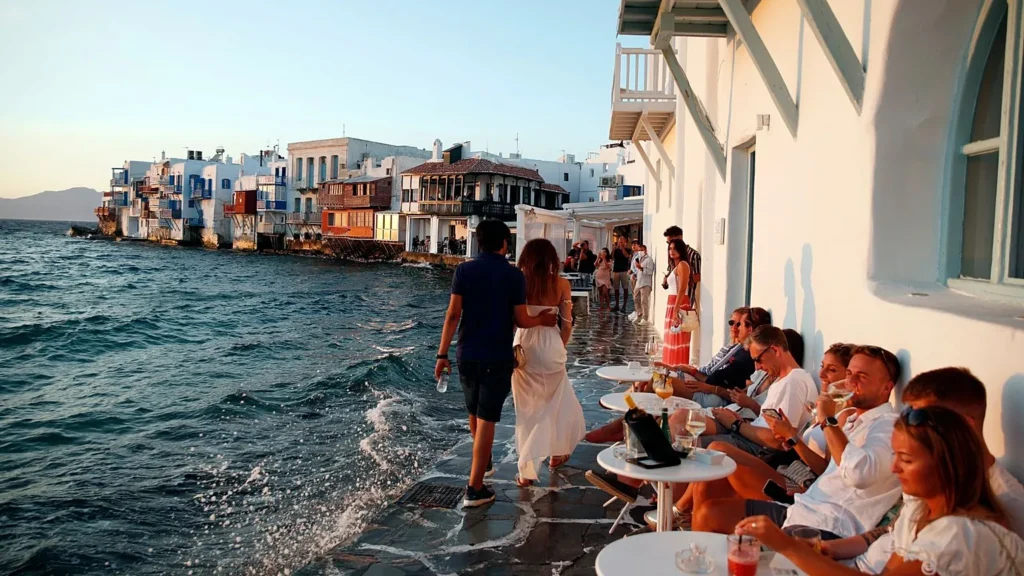
Mykonos is often described as Greece’s ultimate party island, attracting travelers from around the world with its cosmopolitan atmosphere, luxury hotels, and legendary nightlife. During summer, internationally known beach clubs host DJs and parties that continue from afternoon until late at night.
The heart of the island is Mykonos Town, also known as Chora. Its narrow pedestrian streets wind between whitewashed buildings, designer boutiques, cocktail bars, and intimate restaurants. Getting pleasantly lost in these streets is part of the experience for many Greek island visitors.
Little Venice is another must-see area, where colorful historic buildings appear to rise directly from the sea. Nearby, the famous Mykonos windmills provide one of the island’s most recognizable views.
Although nightlife dominates Mykonos’s reputation, the island also offers beautiful beaches, traditional churches, and archaeological excursions. History enthusiasts can take a boat to nearby Delos, one of Greece’s most important ancient sites and a place deeply connected with Greek mythology. According to mythology, the island was associated with Apollo, the Greek god of music, prophecy, and light.
For travelers seeking beaches, luxury, and nonstop entertainment, Mykonos remains one of the best Greek islands to visit.
Santorini: The Romance Capital
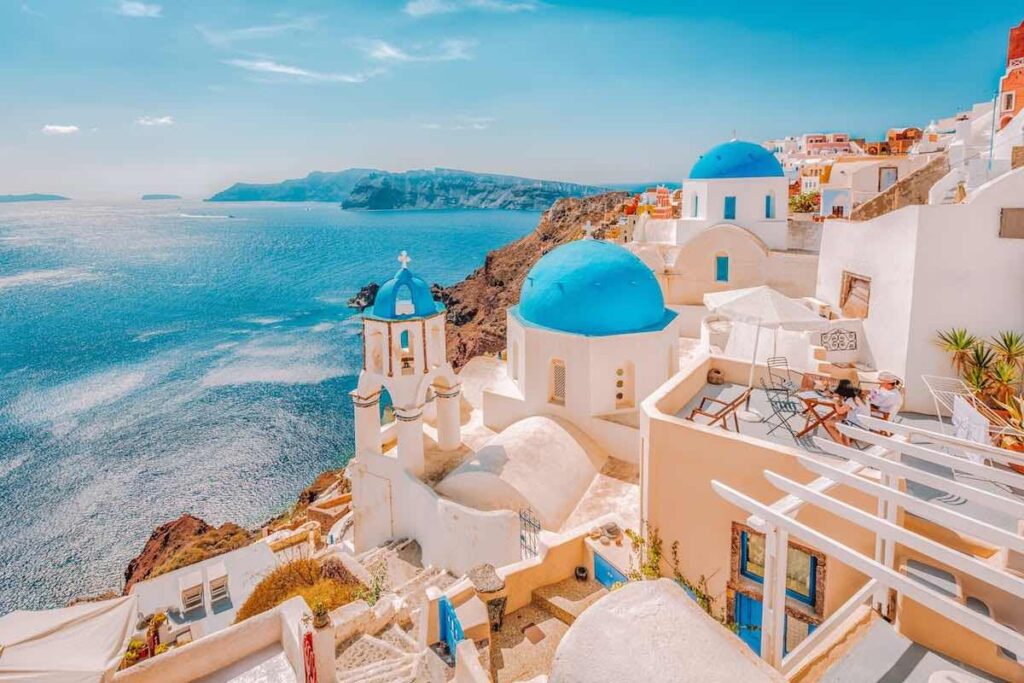
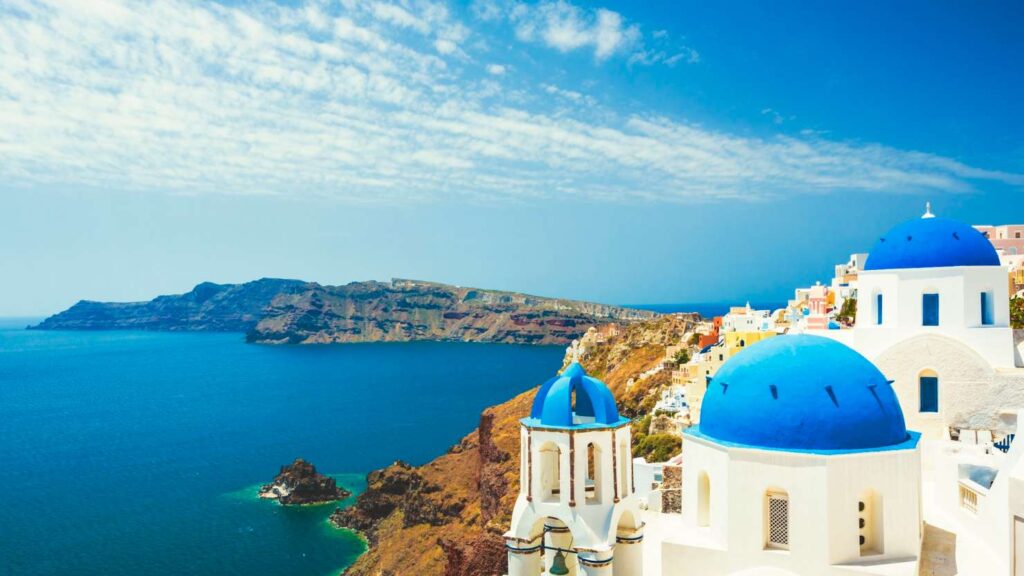
Few destinations capture the imagination quite like Santorini. Famous for its dramatic volcanic caldera, whitewashed cliffside villages, and blue-domed churches, Santorini regularly appears on lists of the 10 best Greek islands.
The villages of Oia and Fira sit high above the Aegean Sea, offering spectacular views across the submerged volcanic crater. Oia is particularly famous for sunset, when travelers gather along terraces and narrow pathways to watch the sky change color over the sea.
Any detailed Santorini travel guide will also recommend exploring the island beyond its viewpoints. Visitors can discover volcanic beaches such as Red Beach and Perissa, visit traditional villages, sample local wines, and explore the archaeological site of Akrotiri.
Boat excursions across the caldera provide opportunities to visit volcanic islands and swim near natural hot springs. These experiences reveal the geological forces that shaped Santorini’s distinctive landscape.
For couples comparing two islands for a honeymoon or romantic escape, Santorini often stands out because of its luxurious cave hotels, private terraces, and unforgettable caldera scenery.
Naxos: The Family-Friendly Island
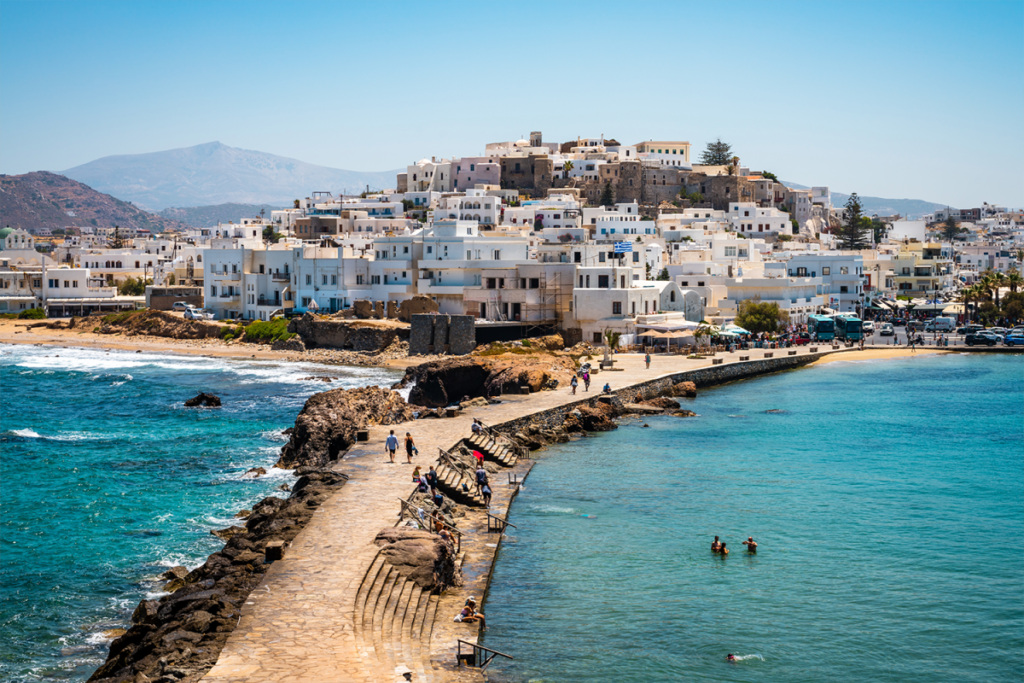
Naxos combines long sandy beaches, mountain villages, historical landmarks, and traditional Greek culture. Its relaxed atmosphere makes it one of the best Greek islands for every generation of the family.
Beaches such as Agios Prokopios, Agia Anna, and Plaka feature clear water and extensive stretches of sand. Families appreciate the shallow swimming areas, while adventurous visitors can enjoy windsurfing and other water sports.
Naxos also has strong connections to Greek mythology. Mount Zas is traditionally associated with Zeus, the powerful Greek god who ruled the Olympian gods. According to local mythology, the young Zeus was raised on Naxos, and visitors can hike towards the Cave of Zas to explore this legendary landscape.
The island’s interior reveals another side of Naxos. Traditional villages are surrounded by fertile valleys and olive groves, while ancient temples and archaeological sites provide opportunities for exploring ancient ruins.
For families seeking beaches, culture, and outdoor adventures, Naxos offers a wonderfully balanced Greek island experience.
Crete: The Largest Island with Diverse Attractions
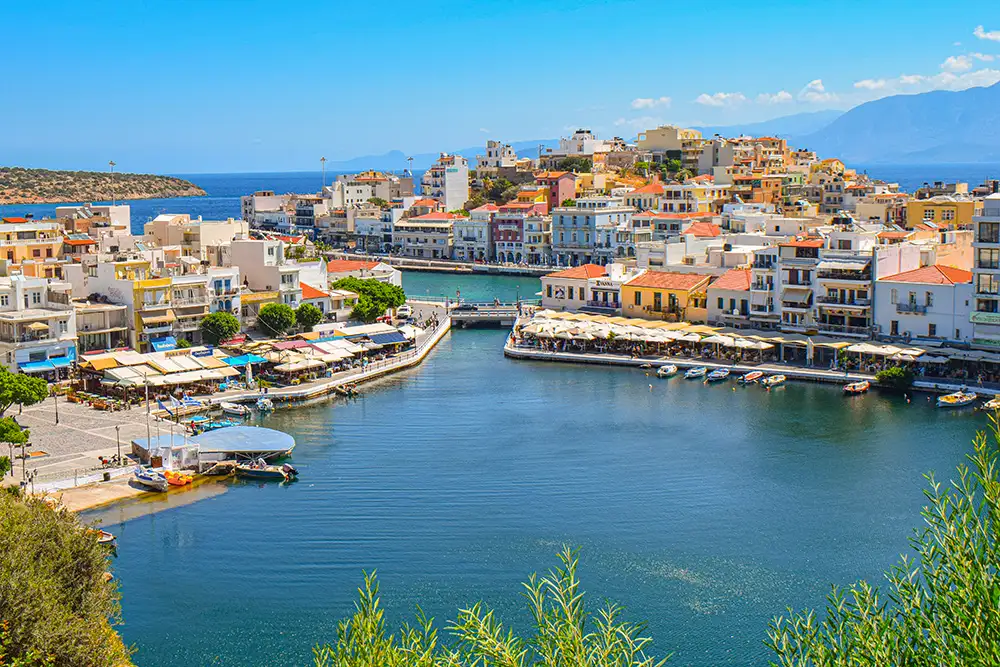
As the largest Greek island, Crete feels almost like a country of its own. Its diverse landscapes include dramatic mountains, deep gorges, fertile valleys, ancient cities, and some of the most impressive beaches in the Mediterranean.
History enthusiasts should visit the ancient Palace of Knossos, one of the most significant archaeological sites associated with the Minoan civilization. The palace is closely linked with Greek mythology, particularly the stories of King Minos, the Minotaur, and the Labyrinth.
Crete’s history continued through Roman, Byzantine, Venetian, and Ottoman periods, leaving an extraordinary collection of fortresses, monasteries, churches, and historic towns across the island.
Nature lovers can hike through Samaria Gorge or explore the island’s mountainous interior. Along the coast, destinations such as Elafonissi and Balos attract visitors with turquoise water and dramatic scenery.
Traditional villages surrounded by vineyards and olive groves provide opportunities to experience Cretan hospitality and sample regional cuisine. Because of its size and diversity, Crete is often considered one of the best islands for travelers who want beaches, hiking, history, and food in a single destination.
Milos: The Hidden Gem
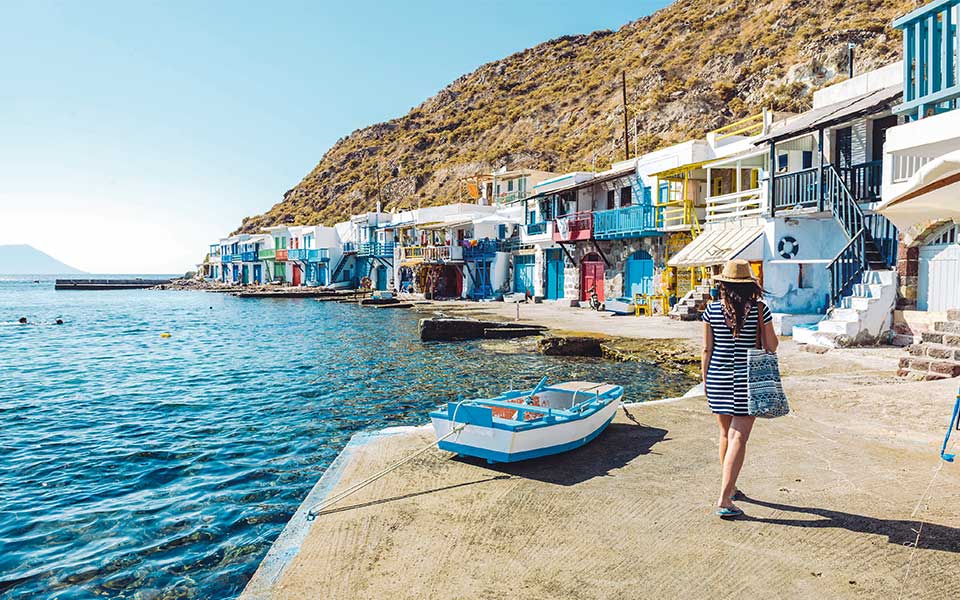
The volcanic island of Milos is famous for its unusual coastline and extraordinary geological formations. Although its popularity has increased, Milos still offers a more peaceful atmosphere than Santorini or Mykonos.
Sarakiniko Beach is the island’s most recognizable attraction. Smooth white volcanic rocks create an almost lunar landscape beside brilliant blue water, making it one of the most photographed beaches in Greece.
Milos is also known for its colorful fishing villages. Klima features traditional boat houses called syrmata, where brightly painted doors line the waterfront.
Boat trips are among the best ways to explore the island because many secluded beaches and sea caves are difficult to reach by road. For Greek island visitors interested in natural scenery and quiet coastal experiences, Milos is an outstanding choice.
Corfu: A Blend of Cultures
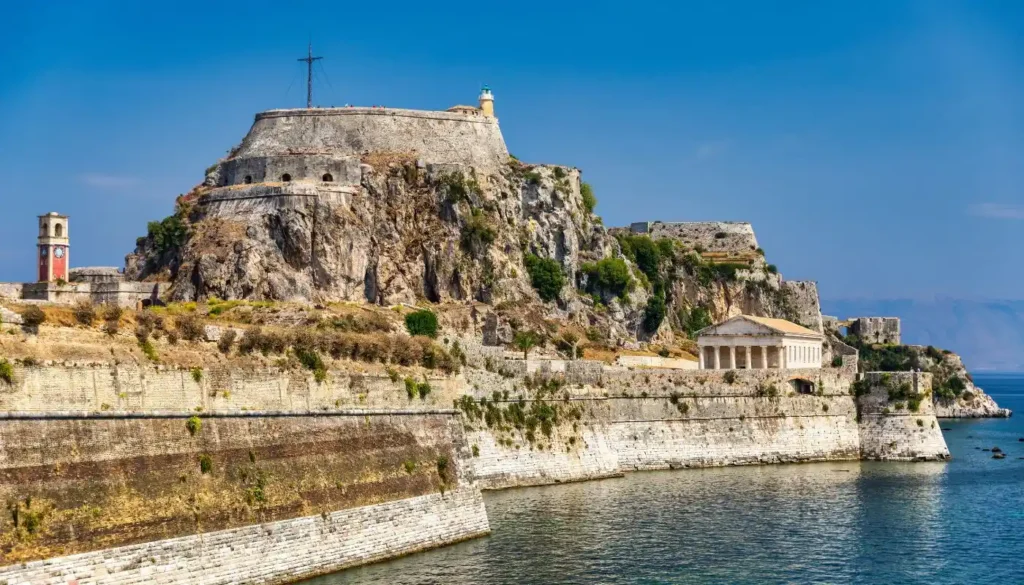
Located in the Ionian Sea, Corfu offers lush landscapes, elegant architecture, and a fascinating multicultural history. Venetian, French, British, and Greek influences have shaped the island’s distinctive identity.
Corfu Old Town is recognized as a UNESCO World Heritage Site and features narrow streets, historic fortresses, elegant squares, and Venetian-inspired buildings. The island also contains important Byzantine churches and religious landmarks that reveal different periods of its history.
Outside the town, green hills and extensive olive groves dominate the landscape. The coastline includes dramatic cliffs, hidden coves, and beautiful beaches suitable for swimming and water sports.
Corfu’s combination of cultural attractions and natural beauty makes it one of the best Greek islands for travelers seeking more than a traditional beach holiday.
Paros: The Ideal Spot for Relaxation
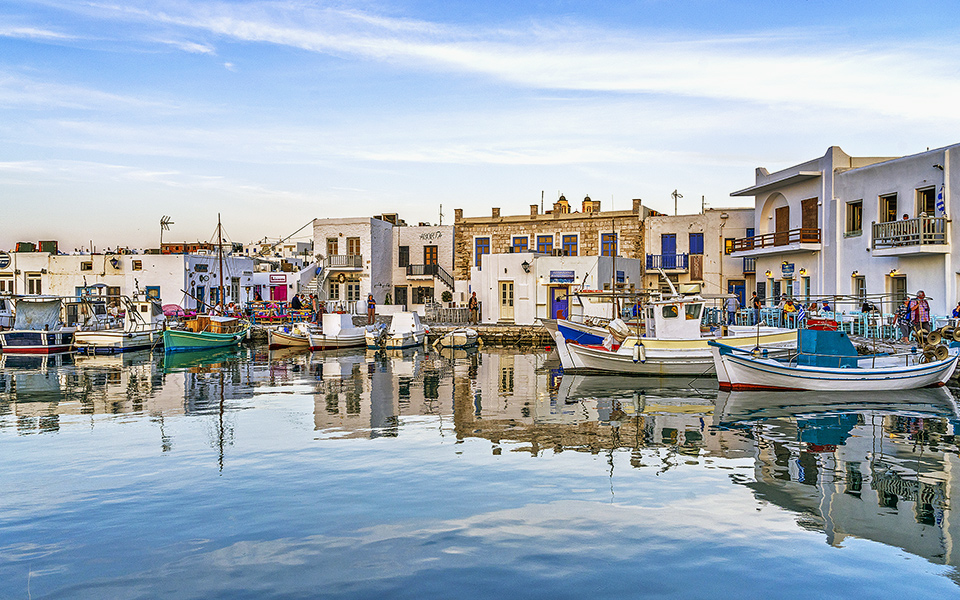
Paros offers the classic beauty of the Cyclades with a more relaxed atmosphere than some of its famous neighbors. Whitewashed villages, sandy beaches, and traditional harbors create a picturesque setting for a peaceful island escape.
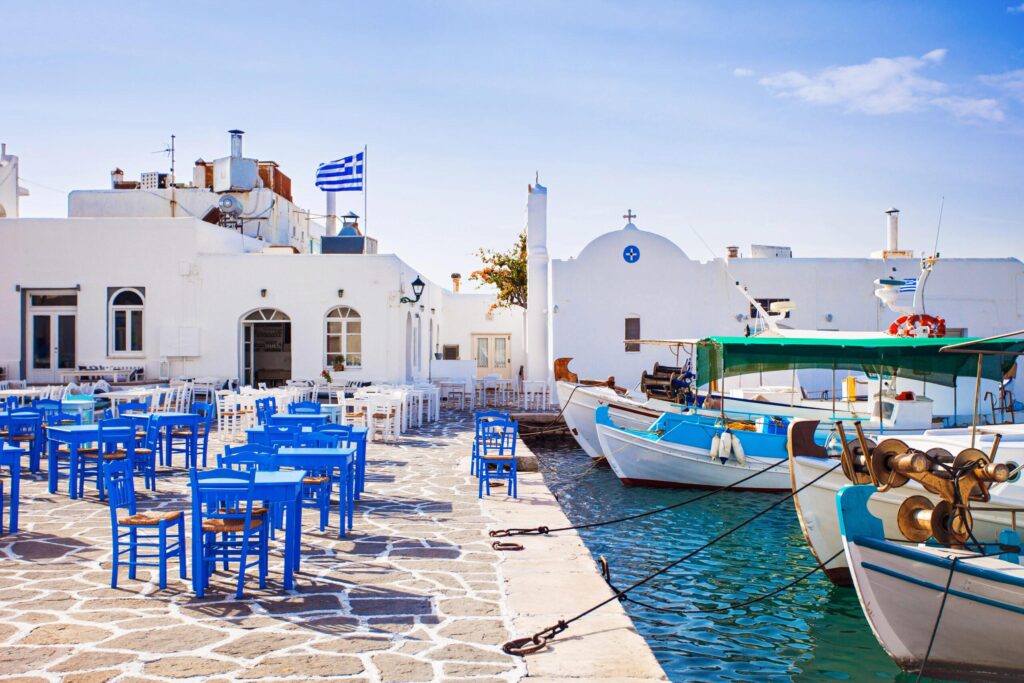
Naoussa is one of the island’s most charming destinations. Its old fishing harbor is surrounded by restaurants, boutiques, and traditional buildings, while narrow streets lead through the heart of the village.
Paros also offers excellent conditions for windsurfing and kitesurfing. Travelers who prefer slower-paced activities can explore mountain villages, visit historic churches, or relax on quiet beaches.
The island’s central location also makes it convenient for travelers planning to visit two islands or create a longer Cyclades itinerary.
Rhodes: Historical Richness
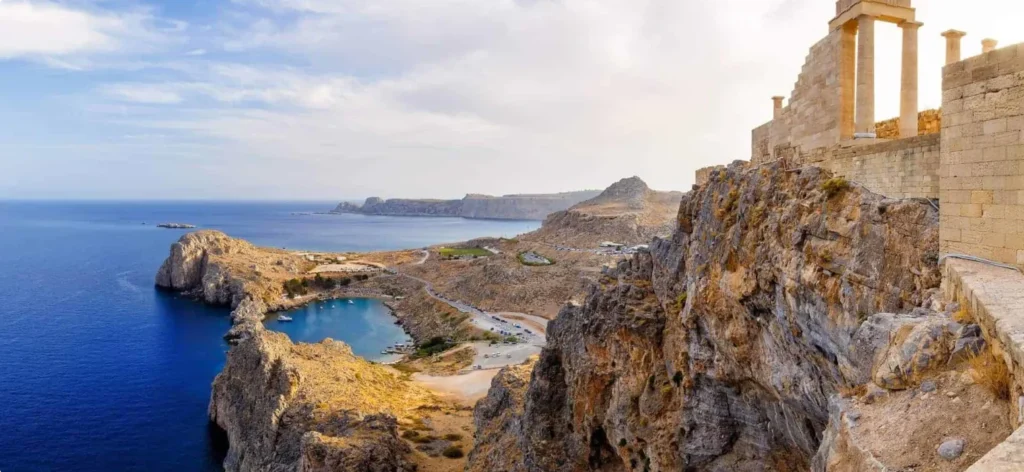
Rhodes is one of Greece’s most historically fascinating islands. Its strategic location in the eastern Mediterranean has attracted numerous civilizations, creating a rich architectural and cultural heritage.
The Medieval City of Rhodes is a UNESCO World Heritage Site surrounded by impressive defensive walls. Walking through its narrow streets reveals historic buildings, stone archways, and the magnificent Palace of the Grand Master.
Rhodes also offers excellent opportunities for exploring ancient ruins. The Acropolis of Lindos sits dramatically above the sea, while archaeological sites across the island reveal connections to the classical and Byzantine periods.
Stories of Greek mythology are woven into the island’s history, while the legendary Colossus of Rhodes remains one of the most famous symbols of the ancient Mediterranean world.
Beyond its historical attractions, Rhodes features beautiful beaches, lively resorts, and traditional villages. This combination of history and coastal scenery makes it a strong contender among the 10 best Greek islands.
Choosing the Best Greek Island for Your Trip
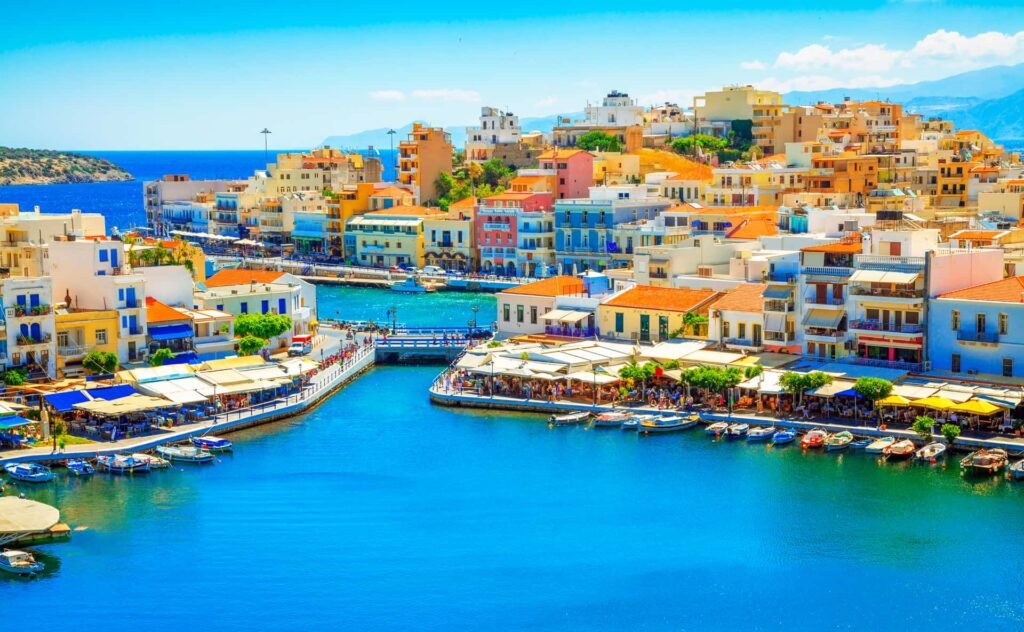
With thousands of islands and islets and approximately 200 inhabited islands, Greece offers an extraordinary variety of destinations. The ideal island depends on the type of experience you want.
Choose Mykonos for nightlife, Santorini for romance, Naxos for families, and Crete for diverse adventures. Milos appeals to nature lovers, Corfu blends cultural influences with lush scenery, Paros provides a relaxed Cycladic atmosphere, and Rhodes is ideal for history enthusiasts.
While mainland Greece remains essential for travelers interested in classical history, the islands offer distinctive landscapes, local traditions, and stories connected to Zeus, ancient civilizations, and countless figures from Greek mythology. Whether you’re comparing two islands or planning a multi-island adventure, these destinations represent some of the best Greek islands for every type of traveler.
Best Beaches in the Greek Islands
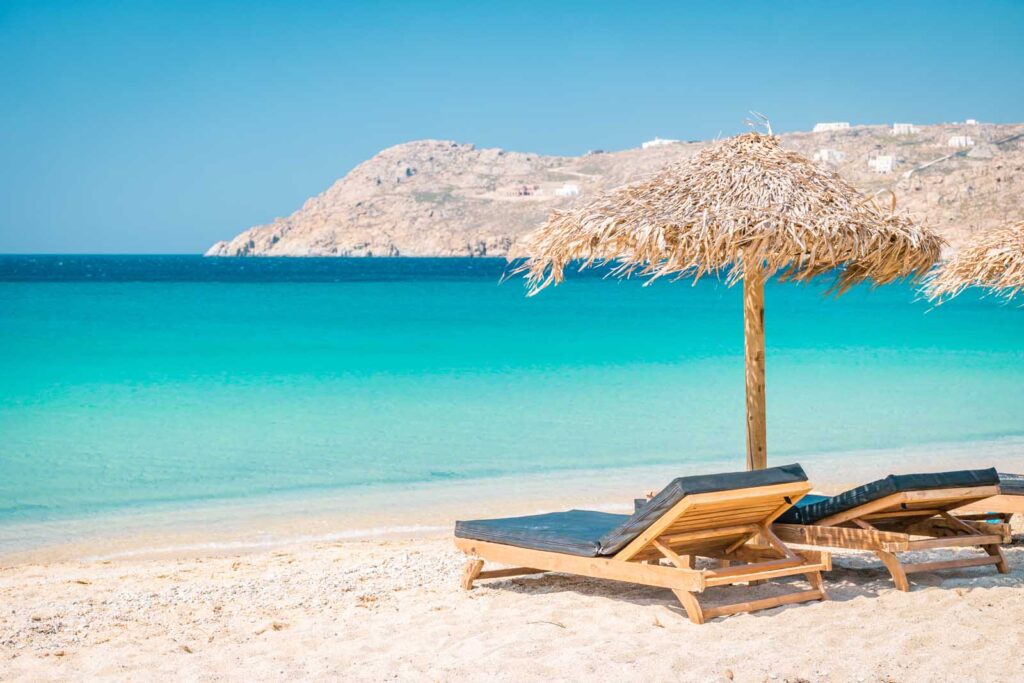
Top Beaches in Mykonos
Mykonos, renowned as one of the best Greek islands for its vibrant atmosphere, also boasts an impressive collection of top beaches that cater to every preference, from lively beach clubs to more serene spots. Psarou Beach is famous for its luxurious amenities and calm waters, while Paradise Beach and Super Paradise Beach are synonymous with pulsating music and energetic parties. For those seeking a quieter experience, Panormos offers a more laid-back vibe, making Mykonos a destination with diverse coastal appeal.
Must-Visit Beaches in Santorini
Santorini, while primarily celebrated for its dramatic sunsets and volcanic landscapes, also features several must-visit beaches that offer a unique coastal experience among the best Greek islands. Perissa Beach and Perivolos Beach are known for their distinctive black volcanic sand and offer a range of amenities and water sports. Red Beach, with its striking red cliffs and unique pebbles, provides a dramatic backdrop for sunbathing. These beaches, though different from the typical golden sands, are integral to the island’s charm.
Family-Friendly Beaches in Naxos
Naxos, widely regarded as one of the best Greek islands for families, is home to numerous family-friendly beaches that are perfect for a relaxed and enjoyable vacation. Agios Prokopios and Agia Anna are particularly popular, offering soft golden sands and shallow, calm waters ideal for children. Plaka Beach stretches for kilometers, providing ample space for play and relaxation, often without the crowds. These beautiful beaches, combined with the island’s gentle atmosphere, make Naxos an excellent choice for a family trip to Greece.
Greek Islands for Every Type of Traveler
Adventure Seekers: Best Activities
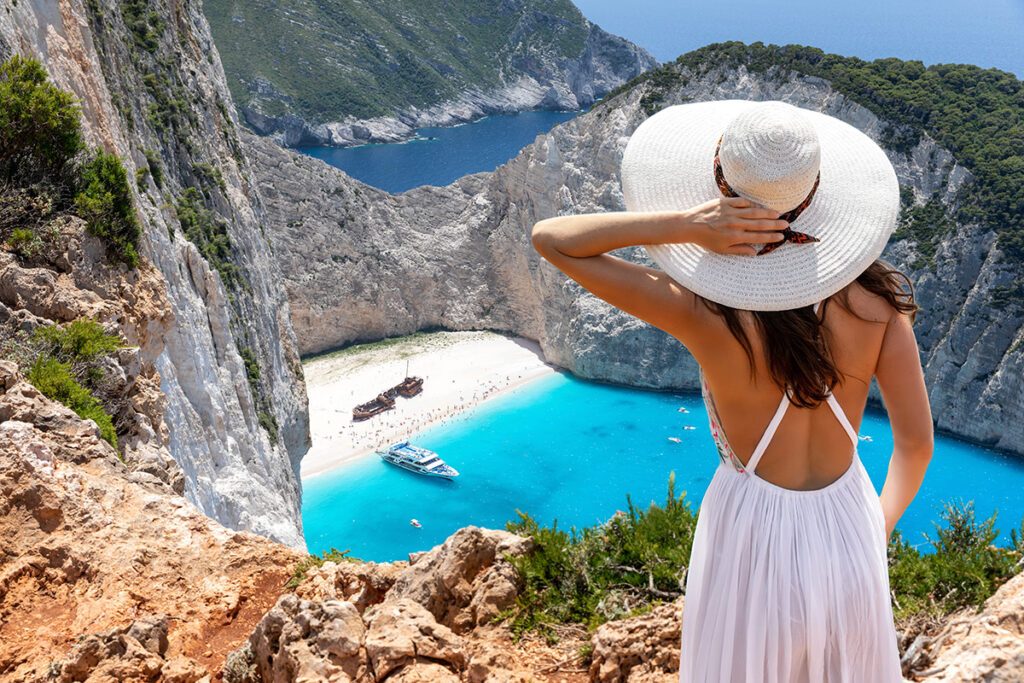
For the adventure seeker, the Greek Islands offer an exhilarating array of activities beyond simply lounging on a beach. Crete, the largest island, is a prime destination for exploring the rugged Samaria Gorge, offering challenging hikes with stunning views. Milos, a unique volcanic island, provides fantastic opportunities to snorkel and discover secluded beaches accessible only by boat, perfect for those seeking an underwater adventure. Many Greek islands also offer various water sports, from windsurfing in Paros to scuba diving in the crystal-clear Aegean Sea, ensuring every type of traveler finds their thrill.
Couples: Romantic Getaways
When it comes to romantic getaways, Santorini remains the quintessential Greek island, famed for its breathtaking sunsets and charming cliffside villages. Couples can indulge in luxurious stays, enjoy intimate dinners with caldera views, and explore the unique volcanic beaches. Beyond Santorini, islands like Milos offer a more secluded and tranquil experience with its hidden coves and beautiful beaches, ideal for couples seeking peace. Even Mykonos, with its vibrant energy, has quaint corners and romantic dining spots in its old town, making many Greek islands perfect destinations for lovebirds.
Families: Kid-Friendly Destinations
Families planning a trip to Greece will find many Greek islands exceptionally welcoming, offering a blend of relaxation and engaging activities. Naxos, with its expansive sandy beaches and shallow waters, is widely considered one of the best Greek islands for children, providing plenty of space for play. Crete offers something for everyone, including water parks and historical sites like the Palace of Knossos to spark young imaginations. Corfu, with its lush landscapes and beautiful beaches, also provides a safe and enjoyable environment for family adventures, ensuring a memorable vacation for every family member.
Planning Your Greek Islands Travel

Planning a Greek island adventure is an exciting opportunity to experience turquoise seas, ancient history, traditional villages, and some of the most beautiful coastal scenery in Europe. With hundreds of islands spread across several island groups, careful travel planning can help you choose the right destinations in Greece, organize transport, and make the most of your time.
Whether you want to explore the whitewashed villages of the Cyclades, discover a medieval Venetian castle, relax on secluded beaches, or sample traditional Greek food beside the Aegean Sea, a well-planned itinerary can transform a simple holiday into an unforgettable journey.
Best Time to Visit the Greek Islands
The best time to visit the Greek Islands depends largely on the type of holiday you want. Greece has a Mediterranean climate, with hot, dry summers and relatively mild winters, but conditions and tourism levels can vary between island groups.
July and August: Peak Summer Season
July and August are the busiest months for many popular destinations in Greece, particularly Santorini, Mykonos, Crete, Rhodes, and Corfu. Daytime temperatures are warm, the sea is ideal for swimming, and beach clubs and nightlife venues are operating at full capacity.
Summer is an excellent choice if your priorities include:
Swimming and water sports
Beach clubs
Island nightlife
Boat trips
Outdoor dining
Festivals and events
However, popular attractions, ferry routes, and hotels can become extremely busy. Accommodation prices are also generally higher during peak season.
If you’re visiting Santorini or Mykonos in July or August, booking accommodation and ferry tickets well in advance is strongly recommended.
May and June: Pleasant Weather and Fewer Crowds
Late spring and early summer are among the best periods for exploring the Greek Islands. Temperatures are comfortable, landscapes are often greener, and major archaeological attractions are generally less crowded than during July and August.
May and June are particularly suitable for:
Hiking
Sightseeing
Exploring archaeological sites
Visiting traditional villages
Photography
Outdoor dining
Travelers interested in historical attractions can comfortably spend more time exploring ancient ruins, Byzantine churches, and sites such as a historic Venetian castle without the intense midsummer heat.
September: Warm Seas and a Relaxed Atmosphere
September is another excellent month for a trip to Greece. The sea remains warm after the summer months, while tourist crowds gradually begin to decrease.
Restaurants, hotels, and ferry services are generally still operating regularly, making September a convenient time for island hopping.
This period is ideal for couples, families, and travelers who want a combination of beach time and cultural exploration.
Exploring Historical Sites During the Shoulder Season
The shoulder season is particularly rewarding for travelers interested in history. Several Greek islands feature impressive medieval fortifications and architectural influences from different civilizations.
On islands shaped by Venetian rule, visitors may encounter fortified towns, historic harbors, and structures dating back centuries. Exploring a 13th-century Venetian landmark or walking through the remains of a coastal fortress can provide fascinating insight into the strategic importance of the Greek islands throughout Mediterranean history.
Travel Tips for a Smooth Journey
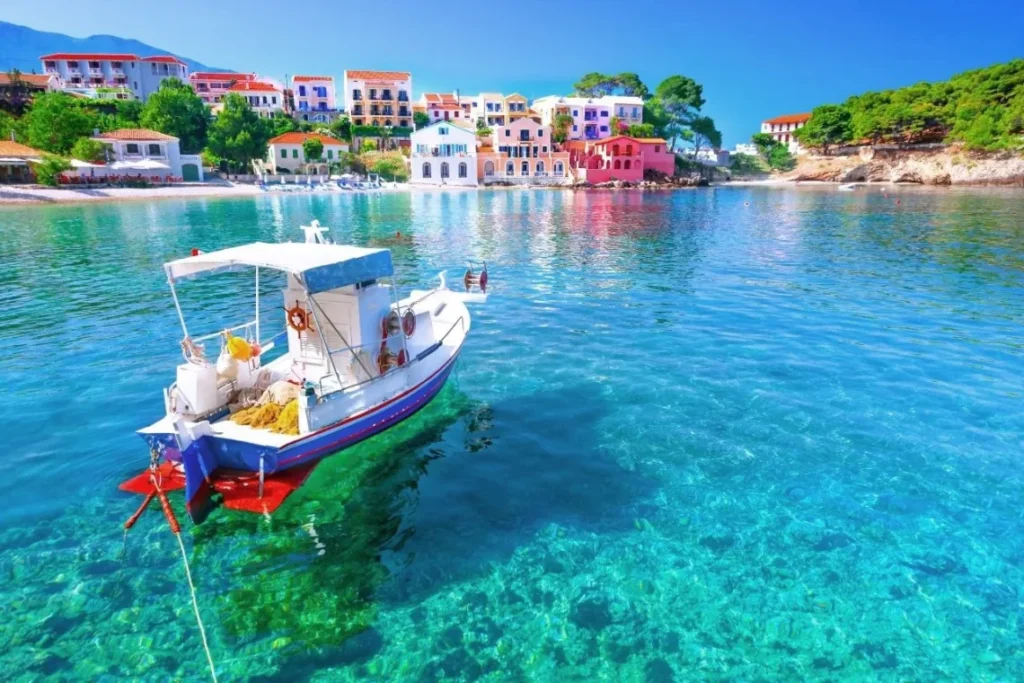
Traveling between the Greek Islands requires some planning, particularly if you intend to visit multiple destinations during one trip. Ferry routes, domestic flights, and local transportation vary significantly depending on the island and season.
Plan Your Island-Hopping Route Carefully
Greece’s islands are divided into several major groups, including:
| Island Group | Popular Destinations |
|---|---|
| Cyclades | Santorini, Mykonos, Naxos, Paros, Milos |
| Ionian Islands | Corfu, Zakynthos, Kefalonia |
| Dodecanese | Rhodes, Kos |
| Sporades | Skiathos, Skopelos |
| Saronic Islands | Hydra, Aegina |
| North Aegean | Lesbos, Chios |
When planning your route, choosing islands within the same group can reduce travel time.
For example, combining Santorini, Naxos, and Paros is generally more practical than attempting to travel between distant island groups within a short holiday.
Book Ferry Tickets in Advance
Ferries are one of the primary methods of transportation between Greek islands. During peak summer, popular routes can sell out, particularly high-speed ferry services.
Book early if you’re traveling:
In July or August
On weekends
With a vehicle
Between popular islands
During Greek holidays
Always check departure ports carefully, as larger cities and islands may have multiple ferry terminals.
Consider Domestic Flights
Athens serves as the main international gateway for many travelers visiting Greece. Several larger islands also have airports with domestic connections from Athens.
Flying may be more convenient when visiting distant destinations in Greece, particularly Crete, Rhodes, Corfu, or islands located far from the mainland.
However, ferries often provide a more scenic travel experience and allow you to appreciate the remarkable geography of the Aegean Sea.
Pack Light for Island Travel
Lightweight luggage can make island hopping significantly easier.
Many traditional villages feature:
Narrow streets
Steep stairways
Cobblestone paths
Pedestrian-only areas
Dragging heavy suitcases through historic towns can quickly become exhausting.
Pack breathable clothing, comfortable walking shoes, sun protection, swimwear, and a light jacket for cooler evenings or windy ferry journeys.
Rent a Vehicle When Necessary
On larger islands such as Crete, Rhodes, or Corfu, renting a car can provide greater flexibility.
Having your own transportation allows you to explore:
Mountain villages
Secluded beaches
Archaeological sites
Traditional tavernas
Historic monasteries
Remote coastal viewpoints
Smaller islands may have reliable local buses or require only short taxi journeys.
Research transportation options before arriving to determine whether renting a vehicle is necessary.
Must-Try Local Cuisine
Food is an essential part of Greek island culture, and every region offers unique flavors influenced by local ingredients, geography, and centuries of culinary tradition.
Exploring traditional tavernas is one of the best ways to experience authentic Greek hospitality.
Fresh Seafood
Fresh seafood is widely available throughout the Greek Islands.
Popular dishes include:
Grilled octopus
Fried calamari
Sea bass
Sardines
Grilled prawns
Mussels
Many coastal tavernas source seafood directly from local fishermen, meaning the day’s catch may have been brought ashore only hours before reaching your table.
Traditional Greek Dishes
Although regional variations exist, several classic dishes are available throughout Greece.
Try:
Moussaka
Souvlaki
Gyros
Spanakopita
Dolmades
Tzatziki
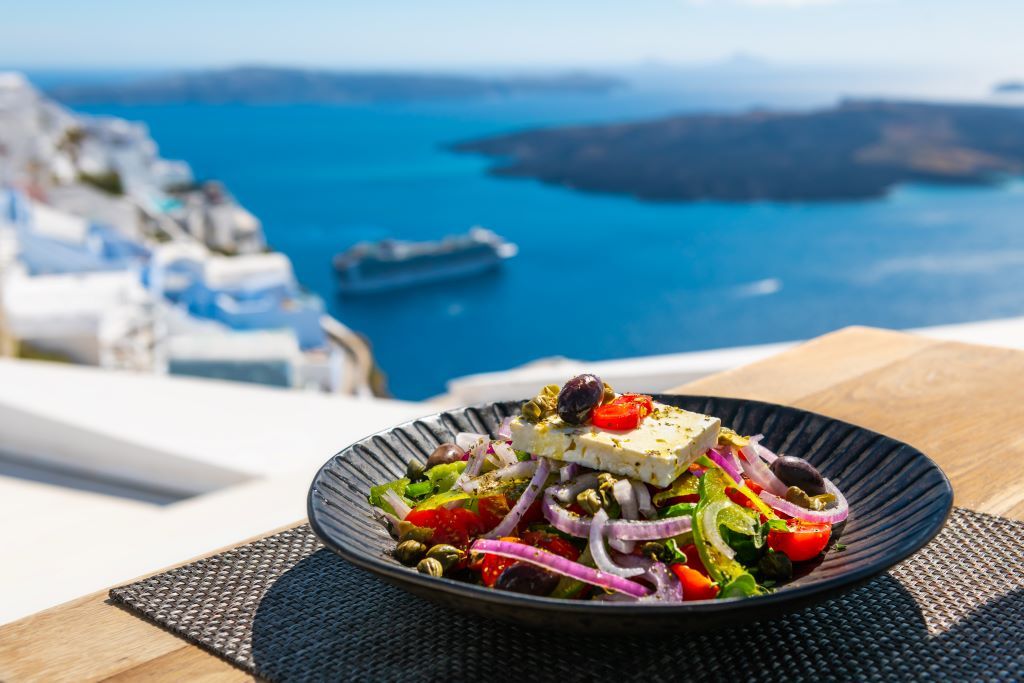
Greek salad
A traditional Greek salad typically combines tomatoes, cucumber, onions, olives, and feta cheese with high-quality olive oil.
Discover Regional Island Specialties
Each island has its own culinary traditions.
Crete is known for simple dishes using vegetables, herbs, cheeses, and olive oil. Santorini is famous for fava, cherry tomatoes, and local wines grown in volcanic soil. Naxos produces excellent potatoes and cheeses, while Corfu’s cuisine reflects centuries of Venetian influence.
Dining near a historic harbor or beneath the walls of a Venetian castle can also add a memorable atmosphere to your culinary experience.
Sample Greek Wine and Olive Oil
Wine production has a long history in Greece, and several islands have distinctive grape varieties.
Santorini’s volcanic soil produces unique wines, while Crete, Rhodes, and other islands have growing wine tourism industries.
Visitors can explore vineyards, participate in tastings, and learn about traditional production methods.
High-quality Greek olive oil is equally important to local cuisine. Many family-owned producers offer tastings where visitors can learn how different olive varieties and production techniques influence flavor.
Plan an Unforgettable Greek Island Adventure
The Greek Islands offer an extraordinary combination of beaches, history, food, and traditional Mediterranean culture. Choosing the best time to travel, planning an efficient island-hopping route, and researching transportation can help you experience more of the country’s remarkable diversity.
From swimming in turquoise coves to exploring a centuries-old Venetian castle, visiting a 13th-century Venetian historical site, or enjoying freshly caught seafood beside the sea, every island provides its own memorable experiences.
With so many fascinating destinations in Greece, the perfect itinerary depends on your interests and available travel time. Plan carefully, leave room for spontaneous discoveries, and embrace the slower rhythm of island life to experience the Greek Islands at their very best.